
A great smash burger starts with the right beef. While the cooking technique creates the signature crispy edges and rich, browned crust, the quality and fat content of the meat determine much of the burger's flavor, texture, and juiciness. Choosing the right ground beef can make the difference between a dry, crumbly patty and a delicious burger that tastes like it came from a professional restaurant.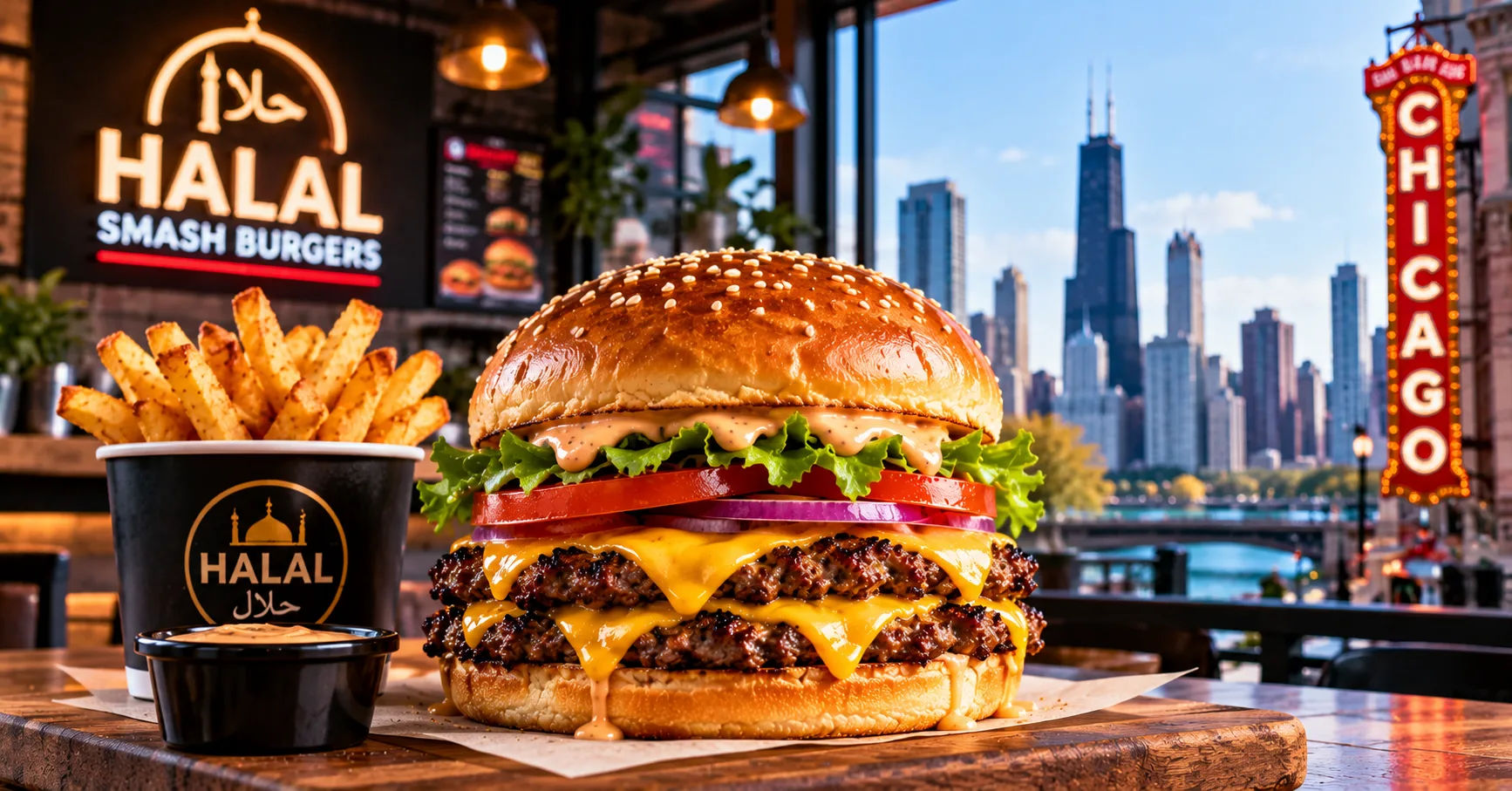
When preparing Fresh Smash Burgers, the goal is to find beef that browns beautifully, releases enough fat to develop a savory crust, and remains flavorful after being pressed into a thin patty. Not every beef blend performs equally well. Lean meat may cook quickly but can become dry, while excessively fatty beef may produce too much grease and make the burger difficult to handle.
The good news is that you do not need an expensive cut of steak to make an excellent smash burger. A well-balanced ground beef blend, fresh ingredients, and a properly heated cooking surface can deliver outstanding results at home. Understanding fat percentages, different beef cuts, grinding methods, and cooking techniques will help you choose meat that suits your taste and budget.
This comprehensive guide explains which beef works best, why fat content matters, how different cuts compare, and how to select and cook ground beef for consistently delicious results.
What Makes Beef Suitable for Smash Burgers?
Smash burgers are different from traditional thick burgers because the meat is pressed into a thin patty on a hot, flat cooking surface. This creates a large area of contact between the beef and the metal, allowing the exterior to brown quickly.
The best beef for this technique needs three important qualities: a suitable fat content, a strong beef flavor, and a texture that allows the patty to spread without becoming tough.
The Importance of Fat Content
Fat is one of the most important factors when selecting ground beef. It contributes flavor, helps lubricate the meat during cooking, and supports a tender eating experience.
For many home cooks, ground beef containing approximately 20% fat and 80% lean meat is an excellent starting point. This ratio provides enough fat for rich flavor and browning without producing excessive grease in most cooking situations.
Beef with less fat can still work, but the finished burger may be less juicy. On the other hand, very fatty beef can create more smoke, excessive grease, and a less balanced texture.
The ideal ratio also depends on the cooking surface, patty size, and personal preference. A slightly leaner blend may work well if you prefer a less greasy burger, while a richer blend can appeal to people who prioritize flavor.
Freshness and Quality
Freshly ground beef from a reliable butcher or a reputable supplier is often an excellent choice. It gives you more control over the cut, fat ratio, and handling of the meat.
Look for beef that has been stored at a safe refrigerated temperature and has no unusual odor or slimy texture. Color alone is not a reliable indicator of freshness because ground beef can change color during storage even when other signs are not obvious.
Check the packaging date, use-by instructions, and storage conditions. If you buy meat from a butcher, ask when it was ground and which cuts were used.
Freshness matters, but it does not replace safe handling. Ground beef should be refrigerated promptly and cooked thoroughly.
The Best Fat Ratio for Fresh Smash Burgers
Choosing the correct fat ratio is one of the easiest ways to improve your results. The percentage refers to the proportion of fat in the ground beef by weight.
80/20 ground beef
Best starting point
A balanced blend with enough fat for rich flavor, crisp edges, and a satisfying texture.
90/10 ground beef
Lean option
Produces less grease but can become dry more easily when cooked as a thin patty.
70/30 ground beef
Rich and fatty
Delivers plenty of fat but may release too much grease and create more splattering or smoke.
Why 80/20 Is Usually the Best Choice
An 80/20 blend offers a practical balance between flavor, moisture, and crust development. The fat helps carry flavor and can improve the mouthfeel of a thin patty.
When the beef hits a hot griddle, the surface begins to brown while some fat renders out. This helps create the savory, crispy edges that make smash burgers so appealing.
The ratio is not a strict rule. Different cuts contain different types of fat, and grinding methods can influence how the meat behaves. Still, 80/20 is a reliable place to begin if you are developing a recipe for home cooking or a burger business.
Can You Use Lean Beef?
Yes. Lean ground beef can be used when you prefer a less fatty burger or need to work with the meat available to you.
However, thin patties cook quickly, so there is less room for error. Avoid cooking them longer than necessary, and use a properly heated pan to encourage browning without prolonged cooking.
Adding extra oil to the cooking surface will not completely reproduce the flavor and texture of beef that contains a suitable amount of fat within the meat itself.
Which Beef Cuts Are Best for Smash Burgers?
Ground beef can come from several parts of the animal. Each cut has a different balance of fat, flavor, and texture, making some blends better suited to smash burgers than others.
1. Ground Chuck
Ground chuck is one of the most popular choices for smash burgers. It comes from the shoulder area and typically has a good balance of meat and fat.
Its beefy flavor makes it ideal for a simple burger seasoned with salt and black pepper. When ground to a suitable texture, chuck also forms patties that are easy to handle and spread across a hot griddle.
Ground chuck is particularly useful if you want consistent results without combining several cuts yourself.
Best for: Everyday smash burgers, classic cheeseburgers, and home cooking.
2. Ground Brisket
Brisket comes from the chest area and contains a combination of muscle, connective tissue, and fat. Its flavor can be rich and distinctive, particularly when the fat content is balanced correctly.
Brisket can work well in a smash burger blend, although its suitability depends on the specific portion used. Some brisket is relatively lean, so using it alone may not provide the fat ratio you want.
Combining brisket with chuck can create a flavorful blend with a satisfying texture.
Best for: Rich, beef-forward burgers and specialty burger recipes.
3. Ground Short Rib
Short rib is known for its rich flavor and fat content. When incorporated into ground beef, it can add depth and a more indulgent mouthfeel.
However, short rib can be more expensive than chuck, and its fat content varies. Using it as part of a blend is often more practical than relying on it exclusively.
A combination of chuck and short rib can be a good option when you want to create a premium burger without making the entire recipe dependent on an expensive cut.
Best for: Gourmet-style smash burgers and special occasions.
4. Ground Sirloin
Sirloin is generally leaner than chuck and has a clean, beefy flavor. It can be useful when you want a burger with less fat, but it may not provide the same richness when cooked as a very thin patty.
For this reason, sirloin is often better when combined with a fattier cut. A blend of sirloin and chuck can balance a pronounced beef flavor with enough fat for good browning.
Best for: Leaner burger blends and cooks who prefer a less greasy result.
Comparing Popular Beef Cuts
For most cooks, ground chuck with approximately 20% fat is the easiest choice. More elaborate blends can be excellent, but they are not essential for a great burger.
Should You Buy Pre-Ground Beef or Grind It Yourself?
Both options can produce excellent results. Your decision depends on convenience, equipment, budget, and how much control you want over the ingredients.
Buying Pre-Ground Beef
Pre-ground beef is convenient and widely available. You can often find it labeled by cut or fat percentage, making it easier to choose a suitable blend.
When buying it, check the label and select meat from a reliable supplier. Ask your butcher about the cuts used if the packaging does not provide enough information.
For everyday cooking, a good-quality 80/20 ground chuck blend is generally sufficient.
Grinding Your Own Beef
Grinding beef at home gives you greater control over the blend. You can combine chuck, brisket, or short rib to achieve a particular flavor and fat content.
Keep the meat and grinding equipment cold, and work with clean utensils. Cut the beef into small pieces before grinding, following the grinder manufacturer's instructions.
Grinding your own beef does not automatically make it safer or more flavorful. The quality of the raw ingredients, cleanliness of the equipment, and handling practices remain important.
Why the Texture of the Grind Matters
A suitable grind allows the beef to spread easily when smashed while retaining enough structure to form a patty.
If the meat is packed too tightly, the burger may become dense. Handle it gently and form loose balls rather than shaping firm patties in advance.
For many Fresh Smash Burgers, a standard ground beef texture works well. You do not need an unusually fine grind to create crispy edges.
How to Prepare the Best Beef for Smash Burgers
Choosing the right meat is only the first step. How you prepare it also affects the final result.
Keep the Meat Cold Before Cooking
Store the beef in the refrigerator until you are ready to form the portions. Cold meat is easier to handle and helps you maintain good food safety practices.
You do not need to leave ground beef at room temperature for an extended period before cooking. Prepare your cooking surface and toppings first, then take the meat out when you are ready.
Form Loose Beef Balls
Divide the beef into portions of approximately 60–100 grams, depending on the size of the burger you want.
Smaller portions are useful for thin patties, especially if you plan to stack two patties in one bun. Larger portions can create wider burgers, but they may require more pressure and a larger cooking surface.
Form each portion gently without compressing the meat too much.
Season at the Right Time
Salt and freshly ground black pepper are usually enough for a classic smash burger.
Many cooks season the meat immediately after smashing it onto the griddle. This approach keeps preparation simple and allows the beef's natural flavor to remain the focus.
Avoid adding too many wet ingredients to the ground beef. Ingredients such as eggs, breadcrumbs, and liquid marinades change the texture and move the recipe closer to a conventional formed burger rather than a classic smash burger.
Cooking Techniques That Bring Out the Best Beef Flavor
The quality of the beef matters, but technique is what turns it into a great burger.
Heat the Griddle Properly
Use a heavy skillet or flat-top griddle that retains heat well. The surface should be thoroughly hot before the meat is added.
If the pan is too cool, the beef may release moisture and cook unevenly instead of developing a deep brown crust.
Smash the Beef Immediately
Place a loose beef ball on the hot surface and press it firmly with a sturdy spatula or burger press.
Smash the meat shortly after it makes contact with the griddle. Once the exterior starts to brown, it becomes harder to spread the patty evenly.
A thin patty provides more surface area for browning, which is the main reason this technique creates such a distinctive flavor.
Avoid Pressing the Patty Again
Once the beef has been flattened, leave it alone while the crust develops.
Repeated pressing can force out fat and juices without improving the browning. Instead, allow the meat to cook undisturbed until the underside is properly browned and releases reasonably easily.
Cook the Beef Thoroughly
Ground beef should reach an internal temperature of 71°C (160°F) for food safety. Check the temperature with a food thermometer rather than relying on the appearance of the meat.
Thin patties cook quickly, so monitor them carefully. Keep raw beef separate from cooked food, wash your hands, and clean utensils and surfaces appropriately.
Common Mistakes When Choosing Beef
Even good-quality meat can produce disappointing results if the wrong blend or handling method is used.
-
Choosing beef that is too lean: This can result in a dry patty, especially when it is thin.
-
Assuming the fattiest beef is always best: Excess fat can create a greasy burger and make cooking more difficult.
-
Ignoring the cut: Different cuts contribute different flavors and fat levels.
-
Overworking the meat: Firmly packed beef may produce a dense texture.
-
Using poor storage practices: Ground beef requires careful refrigeration and handling.
-
Overcomplicating the blend: Expensive cuts are not necessary when good-quality chuck already delivers excellent results.
Experiment with one variable at a time. Start with a reliable beef blend, then adjust the fat ratio, portion size, and cooking temperature until you find the combination you enjoy most.
Conclusion
The best beef for smash burgers is generally ground chuck containing around 20% fat. This combination provides a useful balance of rich beef flavor, enough fat for browning, and a satisfying texture when the meat is pressed onto a hot griddle.
Brisket and short rib can add depth and richness to a beef blend, while sirloin offers a leaner alternative. However, the most expensive combination is not necessarily the best. Freshness, suitable fat content, gentle handling, and proper cooking technique usually matter more than choosing a premium cut.
When preparing Fresh Smash Burgers, begin with a good-quality ground beef blend, divide it into loose portions, and smash each portion onto a thoroughly heated cooking surface. Let the crust develop without repeatedly pressing the patty, and cook the beef to a safe internal temperature.
You should also consider how the meat is sourced and stored. Choose a reliable supplier, check packaging and storage instructions, and maintain good food safety practices from preparation through serving.
Ultimately, the ideal beef depends on your personal preferences. If you want a dependable everyday burger, start with 80/20 ground chuck. If you want a richer flavor, experiment with chuck and brisket or chuck and short rib. Once you understand how fat content and cooking technique work together, you can create Fresh Smash Burgers with the crispy edges, savory flavor, and juicy texture that make this burger style so popular.