
Buying an ATV is a decision that should be made with the same care as buying a pickup truck, because for most owners it becomes an everyday tool rather than a weekend novelty. The problem is that the market is full of machines that look similar in a brochure and behave very differently in the field. The right approach is to start with how the machine will actually be used, then match displacement, features, and price to that job. This buying guide walks through a decision framework that works for farmers, hunters, and leisure riders alike.
Step One: Define the Job Before the Machine
Every buyer should begin by listing the tasks the machine will perform on a typical week. A farm operator might need to haul feed, drag implements, check fences, and pull a small trailer. A hunter needs quiet, reliable transport into the backcountry with rack space for gear and game. A leisure rider wants comfortable trail performance for family outings. These three buyers want different machines, and the first mistake is buying the neighbor’s recommendation instead of analyzing your own workload.
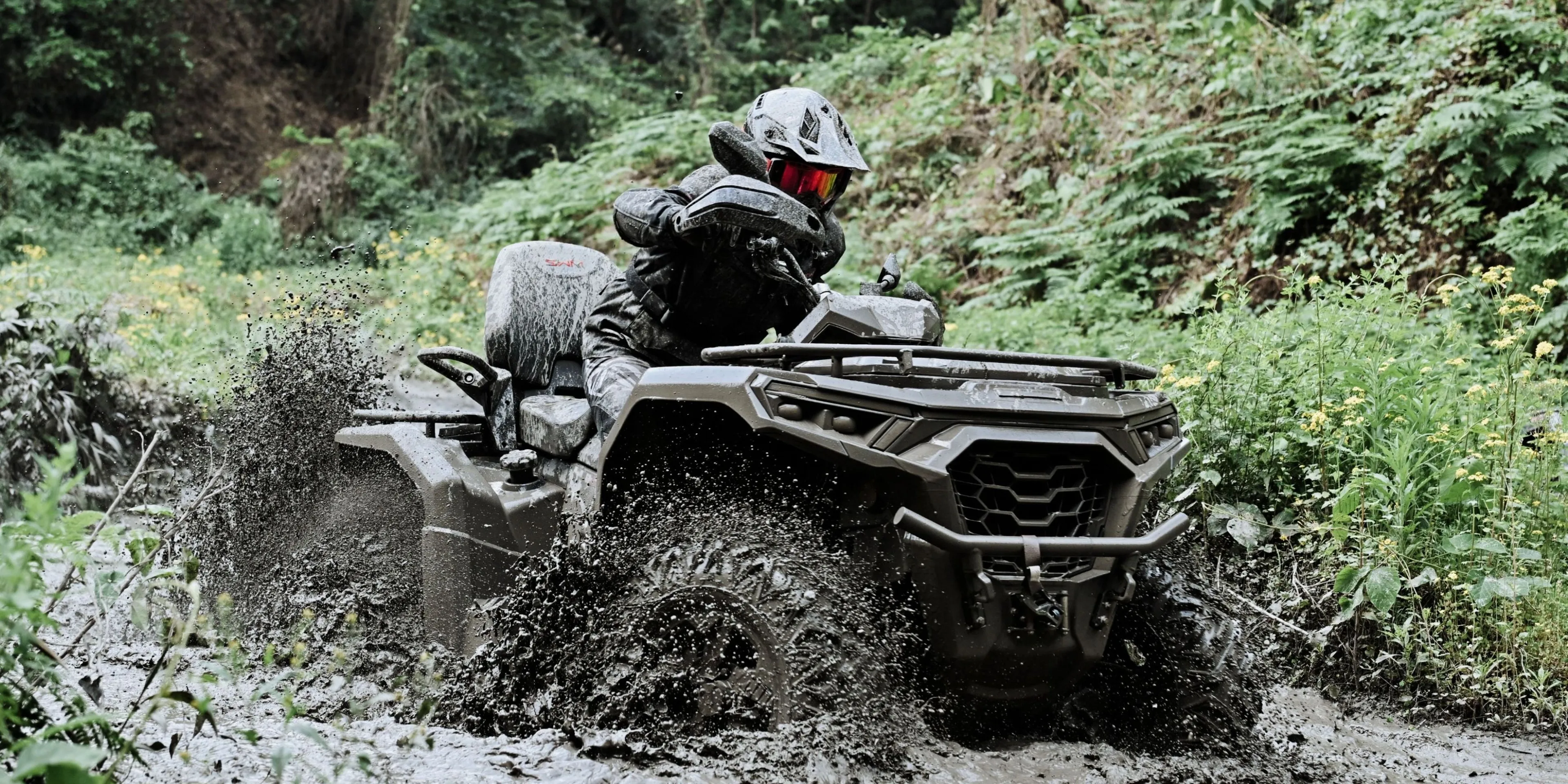
The good news is that a well-chosen SWM ATV Vehicle covers multiple roles at once. Modern utility models combine generous rack capacity, towing capability, and trail manners in a single package, which is why so many buyers find that one machine replaces both a small utility vehicle and a recreational toy. The key is choosing the right displacement and feature set from the start.
Step Two: Match Displacement to Workload
Displacement is the single biggest driver of price and capability, and it should be matched to the heaviest job, not the lightest one. Entry-level machines in the 250-500cc range are affordable and easy to ride, but they strain under heavy loads and sustained work. Mid-size machines around 600-800cc handle serious chores and offer a good balance of power, weight, and price. Big-displacement machines above 850cc deliver maximum hauling, towing, and speed for the toughest conditions.
A useful rule of thumb: if the machine will spend more than half its life working, choose one displacement class above what feels sufficient, because payloads have a way of growing. If the machine is mostly for recreation, choose the smallest machine that handles the terrain comfortably, because lighter machines are easier to manage and cheaper to maintain.
Step Three: Check the Feature Checklist
Once the displacement class is clear, the decision narrows to features, and a few of them matter far more than others. Four-wheel drive with a proper differential system is near-mandatory for anyone riding in mud, hills, or winter conditions. A winch-ready front end saves a major retrofit later. Selectable drive modes, electric power steering, and a comfortable seat become non-negotiable after a long day in the saddle.
Rack capacity deserves special attention because it is the feature that turns a toy into a tool. Compare the front and rear rack ratings between models, and consider how they line up with what you actually carry. A swm quad buyer hauling firewood or fencing will feel the difference immediately, while a leisure rider may prioritize a smoother ride over load numbers.
Step Four: Compare Like for Like
With a shortlist in hand, the next step is an honest comparison table. For most quad atv buyers, that table is where the decision gets made. Resist the temptation to compare brochure horsepower figures alone; look at the combination of payload, towing, ground clearance, and service intervals that defines real-world usability.
| Use Case | Recommended Class | Key Features | Best Match |
| Farm work and hauling | Mid to large displacement | High rack ratings, towing hitch, 4WD | Utility-focused quad atv models |
| Hunting and backcountry | Mid displacement | Quiet exhaust, winch, fuel range | Trail-oriented utility models |
| Family leisure riding | Mid displacement | Comfort seat, power steering, smooth throttle | Recreation-tuned models |
| Mixed work and play | Mid to large displacement | Balance of payload, comfort, and price | Versatile all-rounders |
Step Five: Budget for the Whole Package
Finally, remember that the purchase price is only part of the picture. Budget for a helmet and proper riding gear, a first service kit, and a quality lock or storage cover. Add the cost of the accessories the job requires: a winch if the terrain demands it, cargo boxes for the racks, and a plow or sprayer if the farm work calls for it. A machine that fits the budget including these items is the machine to buy; a machine that fits the price tag alone may leave the buyer short when the extras add up.
Choosing the right SWM ATV Vehicle is ultimately an exercise in honesty about how it will be used. Define the job, match the displacement, verify the features, compare like for like, and budget for the whole package. Do that, and the swm quad that comes home will still be earning its keep years from now. The quad atv market is full of good machines; the right one is simply the one that matches your week, not your neighbor’s.