
Old vehicles do not simply disappear when their owners decide they are no longer worth repairing. Behind every responsibly dismantled car is a careful process involving mechanical knowledge, parts recovery, environmental protection, and metal recycling. Geelong wreckers handle end-of-life vehicles by inspecting them, removing useful components, safely managing fluids and hazardous materials, and preparing the remaining shell for recycling.
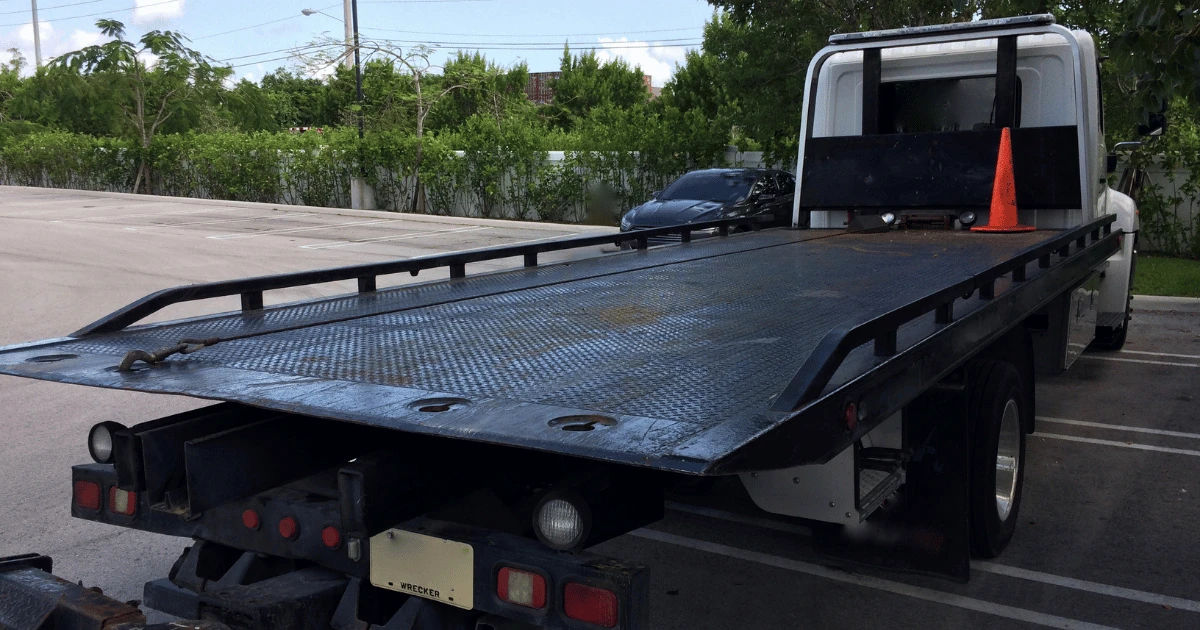
For vehicle owners, understanding this process explains why an unwanted car can still have value. An old vehicle may contain a working engine, transmission, lights, panels, wheels, electrical components, or other parts that can be reused. Even parts that cannot be reused can often be separated into recyclable materials.
What Happens When an Old Vehicle Arrives?
The dismantling process normally starts with vehicle identification and inspection. The team records important details such as the make, model, year, vehicle identification number, condition, and available parts.
Geelong wreckers may assess whether the vehicle is complete, accident damaged, heavily rusted, or simply too old to be economical to repair. A damaged exterior does not necessarily mean every component is unusable.
A car with serious body damage may still contain a useful gearbox, alternator, headlights, wheels, interior parts, or electronic components. The inspection helps determine which items have potential value.
The inspection also helps determine the safest dismantling sequence. Vehicles with collision damage, leaking fluids, or damaged electrical systems require additional care.
How Is the Vehicle Made Safe?
Before major parts are removed, an end-of-life vehicle needs to be made safe. One of the most important stages is de-pollution.
Vehicles contain liquids and materials that should not be released into soil, drains, or waterways. These can include engine oil, coolant, brake fluid, transmission fluid, and fuel.
EPA Victoria's auto recyclers guideline covers businesses that dismantle vehicles, recycle vehicle parts, manage waste fluids, and process end-of-life vehicles. It highlights measures designed to prevent harm to people and the environment.
Responsible Geelong wreckers collect these materials using suitable equipment and storage procedures. Fluids can then be sent through appropriate waste-management or recycling channels rather than being allowed to leak.
The battery is also handled separately because it contains materials that require controlled management. Tyres, refrigerants, airbags, and other components may also need special procedures.
How Are Reusable Parts Removed?
Once the vehicle has been made safe, dismantling can begin. The objective is not simply to break the vehicle apart as quickly as possible. A professional dismantler tries to recover useful components without unnecessary damage.
Commonly recovered parts include engines, transmissions, radiators, alternators, starter motors, suspension components, steering parts, doors, bonnets, bumpers, mirrors, lights, wheels, seats, dashboards, and selected electrical components.
Parts are removed according to their construction and condition. Mechanical components may need to be disconnected from wiring, hoses, mounts, and surrounding systems. Body panels can be removed carefully when they are suitable for resale.
Experienced Geelong wreckers can organise recovered parts so they can later be identified and matched with customers looking for replacements.
What Happens to Parts After Removal?
Removing a component is only one stage of recycling. The dismantler must decide whether each item should be reused, repaired, refurbished, or recycled.
Parts in good condition can become affordable alternatives to new components. This can help owners and repair shops find replacement parts for older vehicles.
Some components require testing before sale. An engine, gearbox, alternator, starter motor, or electrical component may need inspection to determine whether it remains suitable for reuse.
Local dismantling businesses commonly stock items such as motors, radiators, panels, tyres, gearboxes, driveshafts, headlights, and taillights.
Parts that are damaged beyond economical repair are directed toward material recovery where possible. This prevents useful materials from being unnecessarily wasted.
How Is the Vehicle Shell Recycled?
After reusable components have been removed, the vehicle becomes much lighter and less complex. The remaining body shell still contains significant amounts of metal.
Steel is especially important because it can be recovered and processed for future manufacturing. Aluminium and other metals may also be separated when practical.
The stripped shell can eventually be sent to a metal recycling operation. Depending on the facility, the vehicle may be compacted or crushed before being processed and sorted.
This is an important part of the work carried out by Geelong wreckers because the entire vehicle does not have to be treated as ordinary rubbish. Different materials can be separated and directed toward appropriate recycling streams.
Why Is De-Pollution So Important?
A vehicle contains much more than metal and plastic. Fluids, batteries, refrigerants, and other materials can create environmental problems if they are poorly managed.
This is why responsible dismantling is more complicated than simply stripping a car in an open yard. EPA Victoria's guidance specifically addresses businesses involved in dismantling and recycling vehicles and parts.
Proper storage and handling can reduce the possibility of spills and contamination. It also helps protect workers who handle vehicles and components regularly.
For owners, choosing Geelong wreckers that take environmental responsibilities seriously can make vehicle disposal more responsible.
What Happens to Glass, Plastics, and Other Materials?
Not every component becomes a used spare part or a pile of steel. Modern vehicles contain many different materials, including glass, plastics, rubber, textiles, wiring, and mixed metals.
Some materials can be separated during dismantling. Others may be collected for specialist recycling or waste treatment depending on their condition and available recycling facilities.
Wiring can contain valuable metals such as copper. Aluminium can be recovered from selected components. Tyres may be directed toward suitable recycling or disposal pathways.
The exact recovery rate depends on the vehicle, the dismantling facility, available infrastructure, and the condition of individual components.
How Do Wreckers Decide What Is Valuable?
The value of an old vehicle is not determined only by its age or appearance. A car that looks worn out from the outside can still contain parts that are useful to other owners.
Demand matters. A common model with strong demand for used components may provide more opportunities for parts recovery than a rare model with limited demand.
Condition also matters. A working component that can be tested and reused has a different value from a damaged component that can only be recycled as material.
Geelong wreckers therefore evaluate a vehicle as a collection of possible resources rather than treating it as one single item.
This is one reason professional dismantling can recover more value than sending a complete vehicle directly to scrap processing.
How Does Dismantling Support the Circular Economy?
Vehicle dismantling is closely connected with the idea of a circular economy. Instead of using a product once and throwing it away, useful materials and components are recovered and returned to productive use.
A reusable door can help repair another car. A working headlight can replace a damaged one. A recovered engine component can help keep an older vehicle operating. Recycled steel can become part of future manufactured products.
This process can reduce the need for some new raw materials while extending the useful life of existing components.
Geelong wreckers contribute to this system by turning unwanted vehicles into several resource streams: reusable parts, recyclable metals, recoverable materials, and controlled waste.
What Role Does Technology Play?
Modern vehicle dismantling can involve more than traditional mechanical tools. Inventory systems help businesses track parts, vehicle information, and stock levels.
Digital catalogues can make it easier for customers and workshops to search for used components. Testing equipment can help assess whether selected mechanical or electrical parts are suitable for resale.
Facilities may also use specialised equipment for lifting, fluid recovery, storage, and vehicle processing. The exact equipment varies between businesses.
Technology does not replace mechanical skill. Experienced workers still need to understand how different vehicles are assembled and how components can be removed safely.
What Happens to Damaged or Written-Off Cars?
Accident-damaged vehicles can be particularly suitable for dismantling because a car may suffer major damage in one area while many other components remain usable.
For example, severe body damage may affect doors, panels, or structural sections while some mechanical components remain in better condition. Dismantlers inspect the vehicle rather than assuming everything is worthless.
However, safety remains important. Components affected by serious collision damage need proper assessment before being considered for reuse.
Professional Geelong wreckers separate potentially reusable components from materials that should instead go to recycling or controlled disposal.
How Can Owners Prepare an Old Vehicle?
Owners can make the process easier by gathering available vehicle documentation and removing personal belongings before collection.
It is sensible to check the cabin, boot, glove box, and storage compartments for documents, keys, chargers, tools, and other belongings.
When arranging collection, owners should provide accurate information about the vehicle's make, model, year, condition, and location. If the vehicle cannot roll normally or has significant damage, that information should be shared in advance.
Documentation requirements can vary, so owners should confirm what their chosen recycler needs before handing over the vehicle.
What Should You Look for in a Responsible Wrecker?
A responsible dismantler should be transparent about how vehicles and parts are handled. Ask whether the business manages fluids and other potentially hazardous materials appropriately and whether reusable parts and scrap materials are separated.
It can also help to look for an established local business with clear contact information and a physical operating location. For example, Grant's Auto Dismantlers operates in Moolap and supplies used vehicle components. Its website states that it handles cars, vans, and light commercial vehicles and provides used parts.
The Victorian EPA's auto recyclers guideline is another useful reference when considering environmentally responsible dismantling. It applies to auto recyclers, businesses that dismantle vehicles, yards that crush vehicles, and related recycling operations.
Owners should also ask about paperwork, vehicle collection, payment arrangements, and any conditions before agreeing to a transaction.
Why Dismantling Is Better Than Abandoning an Old Vehicle
Leaving an unwanted vehicle unused for years can create practical problems. It occupies space, deteriorates further, and may eventually become more difficult to move.
Professional dismantling gives the vehicle a planned end-of-life pathway. Instead of allowing useful parts and materials to deteriorate, the vehicle can be assessed and separated into different resource streams.
The environmental benefit is also important. Recovering metals and reusable components can reduce waste and support recycling markets. Proper fluid management helps reduce the risk of contamination.
Geelong wreckers help turn an unwanted vehicle into useful parts and recyclable materials rather than treating the entire car as waste.
Conclusion
So, how do Geelong wreckers dismantle old vehicles? The process generally begins with inspection and identification, followed by safe de-pollution and removal of reusable components. Engines, transmissions, body panels, lights, wheels, electrical components, and other parts may be cleaned, tested, stored, and sold for reuse.
Materials that cannot be reused are separated for recycling or suitable disposal. The remaining shell is prepared for metal recovery, with steel and other recyclable materials entering the wider recycling chain.
For vehicle owners, this process shows why an old or damaged car should not automatically be viewed as worthless. With professional dismantling, one vehicle can provide replacement parts for other cars while also supplying recyclable materials for future manufacturing.
Choosing experienced Geelong wreckers can make vehicle disposal simpler while supporting reuse and responsible recycling. The best approach is to ask clear questions about collection, documentation, parts recovery, environmental practices, and what happens to the vehicle after it leaves your property.
In the end, proper vehicle dismantling is a practical example of recycling in action. An old car can be separated into useful components and materials instead of becoming unnecessary waste. That combination of mechanical expertise, resource recovery, and environmental care makes professional auto wrecking an important part of the vehicle lifecycle.