
A strong t shirt design can turn ordinary clothing into a powerful marketing tool. When people enjoy wearing a branded shirt, they are not simply displaying a logo. They are carrying the brand into schools, workplaces, events, social gatherings, and public spaces. This makes merchandise different from many forms of advertising because it can create repeated exposure while also giving customers something useful.
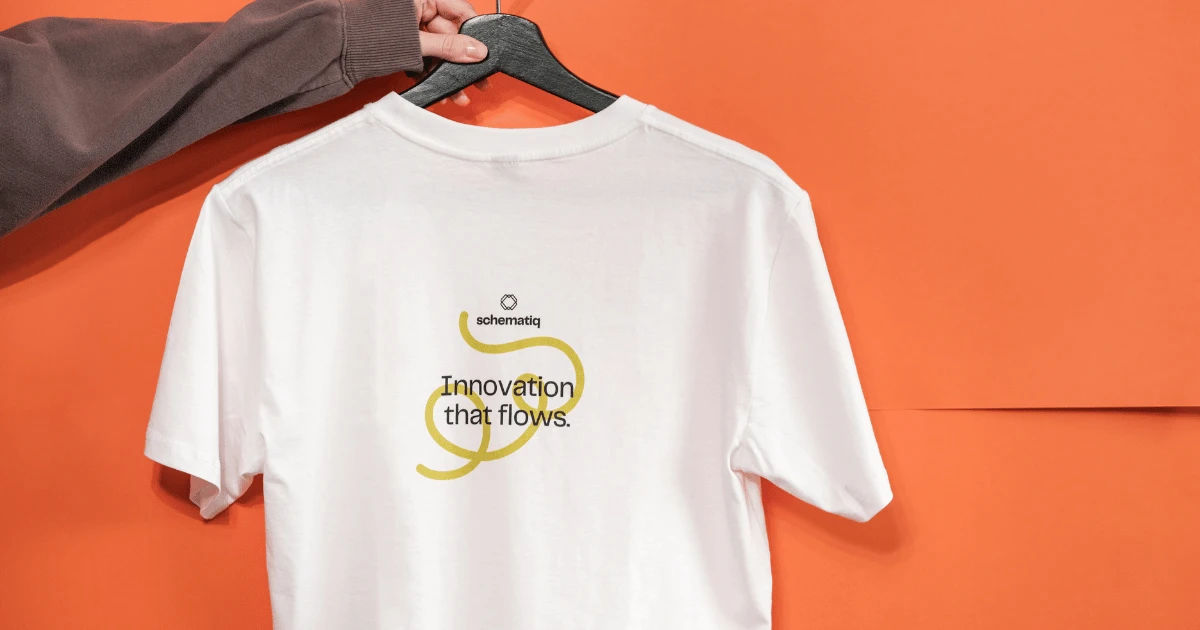
However, not every branded shirt achieves this effect. A shirt can have a large logo and still look unappealing. Successful merchandise combines visual appeal, brand identity, comfort, quality, and a clear message. The best designs feel natural enough to wear while still making the brand recognizable.
Why T-Shirts Are Effective Brand Merchandise
T-shirts are among the most popular forms of promotional merchandise because they are practical and highly visible. People wear them in many different situations, giving brands opportunities for exposure beyond traditional advertising channels.
Unlike a digital advertisement that disappears after a few seconds, a well-made shirt can remain in someone's wardrobe for years. Every time the person wears it, the brand receives another opportunity to be seen.
A successful merchandise strategy therefore begins with understanding that the shirt should provide value to the customer. People should want to wear it because they like the design, not simply because they received it for free.
They Create Everyday Brand Visibility
A branded shirt can travel wherever the customer goes. A person may wear it while shopping, exercising, attending a casual event, or meeting friends.
This repeated exposure can help people remember the company. Even someone who has never interacted with the brand may become familiar with its visual identity after seeing the same shirt repeatedly.
They Build a Sense of Community
Merchandise can also make customers feel connected to a brand. This is particularly important for sports teams, music artists, gaming communities, schools, restaurants, and lifestyle businesses.
When several people wear related designs, the clothing becomes a visual sign of belonging. That emotional connection can be more valuable than simply displaying a company name.
What Makes a T-Shirt Design Successful?
Good merchandise design requires more than placing a logo on a shirt. Several elements work together to make the final product attractive and memorable.
Clear Brand Identity
The design should reflect the personality of the brand. A technology company might prefer a clean and modern appearance, while a streetwear label could use bold graphics, expressive typography, or artistic illustrations.
Brand colors, fonts, symbols, and visual themes should be considered carefully. Consistency helps customers connect the merchandise with the company.
At the same time, the brand identity should not overwhelm the shirt. A small logo combined with an interesting graphic can sometimes be more effective than a huge company name.
A Simple Visual Concept
Simplicity often makes merchandise more wearable. A complicated graphic may look impressive on a computer screen but become difficult to understand when printed on fabric.
A strong design usually has one central idea. The viewer should be able to understand what the shirt represents without studying it for several minutes.
Simple designs also tend to remain attractive for longer. Trends change quickly, but clear graphics and balanced layouts can stay relevant for years.
Appropriate Typography
Words are an important part of many merchandise designs. A slogan, phrase, business name, or short message can give the shirt personality.
Typography needs to be readable from a reasonable distance. Designers should avoid using too many fonts because excessive variation can make the design look disorganized.
Font selection should also match the brand. A playful company may use friendly lettering, while a professional organization may benefit from a cleaner typeface.
Choosing the Right Placement
Placement can dramatically affect how a shirt looks. Designers commonly use the front, back, sleeve, or chest area.
Front Designs
A central front graphic provides strong visibility. It works well for illustrations, slogans, event designs, and artistic branding.
The size should be proportional to the shirt. A graphic that is excessively large can make the garment uncomfortable to look at, while a design that is too small may lose its impact.
Chest Logos
Small chest graphics are popular because they create a subtle branded appearance. They are especially useful when the goal is to produce merchandise that people can wear in everyday situations.
A small logo can also be combined with a larger back graphic. This gives the shirt visual interest without making the front too crowded.
Back Graphics
The back offers more space for detailed artwork. Businesses can use this area for larger illustrations, slogans, campaign messages, or creative brand stories.
A back design can also encourage people to look twice when someone wearing the shirt walks past them.
Selecting Colors Carefully
Color influences how customers perceive a brand. It can communicate energy, professionalism, creativity, simplicity, or excitement.
The shirt color and print colors should create enough contrast for the artwork to remain visible. Designers should also consider whether the selected colors match existing brand guidelines.
For example, a bright graphic may work well on a dark shirt, while a subtle design could look better on a lighter garment.
Avoiding Too Many Colors
Using numerous colors can increase production complexity and sometimes make the design appear cluttered.
A limited color palette can create a cleaner result. It can also make the merchandise easier to recognize as part of the same brand collection.
However, the right number of colors depends on the design and printing method. Full-color digital printing allows greater flexibility, while other techniques may benefit from simpler artwork.
Designing for the Target Audience
One of the most important questions is: Who will actually wear the shirt?
A design intended for teenagers may look very different from merchandise created for corporate employees. Understanding the audience helps determine the style, language, colors, imagery, and overall attitude.
Consider Lifestyle
Think about where customers are likely to wear the garment. If the audience prefers casual streetwear, the design should feel fashionable rather than purely promotional.
If the shirt is intended for a company event, the design may need to balance creativity with professionalism.
The goal is to create something that fits naturally into the customer's lifestyle.
Consider Age and Interests
Age, hobbies, cultural interests, and purchasing habits can influence design choices.
A gaming brand might use characters or references that appeal to its community. A fitness company might choose energetic typography and athletic imagery.
The closer the design feels to the audience's interests, the more likely people are to wear it voluntarily.
Quality Matters as Much as Appearance
Even an excellent graphic cannot compensate for poor garment quality. Customers associate the physical product with the brand itself.
If the fabric feels uncomfortable, shrinks after washing, or loses its shape quickly, the merchandise may create a negative impression.
Choose Comfortable Fabric
Cotton is a popular choice because it is comfortable and breathable. Blended fabrics can provide additional durability, stretch, or moisture management.
The best material depends on how and where the shirt will be used.
Pay Attention to Printing Quality
The print should remain sharp and attractive after repeated washing. Poor printing can crack, fade, peel, or lose detail.
Businesses should work with reliable manufacturers and request samples before ordering large quantities.
Creating Designs People Actually Want to Wear
The biggest mistake in promotional merchandise is treating the shirt like a walking advertisement.
Customers generally do not want to wear something that looks like an advertisement unless they already have a strong connection with the brand.
A better approach is to make the merchandise desirable on its own.
Add Personality
Humor, creativity, clever wording, original illustrations, and unique concepts can make a shirt more interesting.
The brand should still be recognizable, but the design can communicate an idea rather than simply displaying a company logo.
Give Customers a Reason to Connect
A memorable phrase can create an emotional connection. Similarly, an illustration may represent an inside joke or shared experience within a community.
This is especially powerful for brands with loyal followers. Merchandise becomes a symbol of participation rather than just promotional material.
The Importance of Balance
A strong t shirt design balances branding with visual appeal.
If the branding is too subtle, customers may not recognize the company. If it is too aggressive, customers may not want to wear the shirt.
The solution is often a thoughtful combination of brand elements and creative artwork.
For example, a business could place a small logo on the front and use a creative brand-related illustration on the back. This keeps the product recognizable while maintaining a fashionable appearance.
Designing for Different Printing Methods
The printing process can influence what is possible.
Screen printing is widely used for merchandise because it can produce durable prints and works particularly well for larger quantities.
Direct-to-garment printing can handle detailed and colorful artwork. Heat transfer methods may also be suitable for certain designs and smaller production runs.
Embroidery is another option, particularly for simple logos and premium-looking apparel.
Designers should understand the strengths and limitations of the selected production method before finalizing artwork.
Think About Small Details
Fine lines and extremely small text may not reproduce well on every printing process.
A design that looks perfect on a high-resolution monitor may lose detail when transferred to fabric.
Testing a sample is therefore an important part of the process.
Creating Merchandise Collections
Brands do not always need to rely on one shirt design. A collection can create more opportunities for customers with different tastes.
One shirt might feature a minimalist logo, another could contain an artistic illustration, and a third could use a slogan.
Despite their differences, the designs should share certain elements so customers recognize them as part of the same brand.
Limited Editions Can Increase Interest
Limited-edition merchandise can create a sense of exclusivity. Customers may be more interested when they know a particular design will not be available forever.
This approach can work particularly well for events, product launches, anniversaries, collaborations, and seasonal campaigns.
Testing Before a Large Production Run
Before ordering hundreds or thousands of shirts, businesses should test the design.
A physical sample can reveal problems that are difficult to notice on a screen. Check the placement, colors, sizing, fabric, print quality, and overall appearance.
It is also useful to show the sample to members of the target audience.
Ask whether they would actually wear it. Honest feedback can help identify weaknesses before the company spends heavily on production.
Common Mistakes to Avoid
Several mistakes can reduce the effectiveness of branded merchandise.
One common problem is overcrowding. Too many logos, phrases, graphics, and colors can make the shirt difficult to understand.
Another issue is poor readability. If customers cannot easily read the message, the design loses part of its purpose.
Using low-resolution artwork can also create blurry or unprofessional prints.
Businesses should additionally avoid copying competitors too closely. Originality helps a brand establish its own visual identity.
How Design Supports Brand Recognition
Brand recognition develops through repeated exposure to consistent visual elements.
When customers repeatedly see the same logo, colors, typography, or graphic style, they become more familiar with the company.
Merchandise can strengthen this process because it places those elements in physical environments where digital advertising may not reach.
A successful t shirt design therefore supports the larger branding strategy rather than functioning as an isolated piece of artwork.
Measuring Merchandise Success
Businesses can evaluate merchandise in several ways.
Sales are an obvious measurement, but they are not the only one. Companies can monitor social media posts, customer photographs, repeat purchases, website traffic, event engagement, and customer feedback.
If customers voluntarily post pictures wearing the merchandise, that can indicate that the product has achieved value beyond its promotional purpose.
Customer comments can also reveal which designs are most appealing and which ones need improvement.
Conclusion
Effective brand merchandise starts with a simple idea: people need a reason to want the product.
A shirt should be comfortable, attractive, recognizable, and relevant to the audience. Branding should be present without making the garment feel like a traditional advertisement.
The best t shirt design combines these elements into one clear visual experience. It uses appropriate colors, readable typography, thoughtful placement, quality materials, and artwork that reflects the brand's personality.
Businesses should also consider the complete customer experience. A beautiful design printed on poor-quality fabric will not create the desired impression. Likewise, an excellent shirt may fail if the artwork does not connect with its intended audience.
Testing designs, collecting feedback, selecting suitable printing methods, and maintaining consistent branding can significantly improve merchandise results.
Ultimately, successful branded apparel works because customers choose to wear it. When a shirt becomes something people genuinely enjoy wearing, every appearance becomes a natural opportunity for brand exposure. That is what makes merchandise powerful: the customer is not simply receiving an advertisement—they are choosing to become part of the brand's visual story.