
Choosing the right heating system has become an important decision for many homeowners who want comfort, lower energy bills, and a smaller environmental impact.
Eco Friendly heating systems UK solutions are becoming more popular because they are designed to use energy more efficiently while reducing unnecessary waste. But the main question many homeowners ask is whether these modern systems are actually efficient compared with traditional heating methods.
The answer depends on several factors, including the type of system installed, the condition of the property, insulation levels, energy usage habits, and the quality of installation. When properly selected and maintained, eco-friendly heating options can provide excellent performance while helping households reduce energy consumption.
This guide explains how efficient these heating systems are, the different types available, their benefits, possible limitations, and what homeowners should consider before making the switch.
Eco-Friendly Heating Systems
Eco-friendly heating systems are designed to provide warmth while using less energy and creating fewer carbon emissions than conventional heating methods. Traditional heating systems often rely heavily on fossil fuels, while newer technologies focus on renewable energy sources and improved efficiency.
These systems aim to deliver the same level of comfort with less energy input. Instead of simply producing heat, many modern solutions focus on transferring existing heat from the environment or using electricity in a smarter way.
Efficiency is not only measured by how warm a home becomes. It also includes:
- How much energy is required to operate the system
- How much heat is produced from that energy
- The running costs over time
- The environmental impact
- The lifespan of the equipment
A heating system that uses less energy while maintaining comfort can be considered highly efficient.
Types of Eco-Friendly Heating Systems Available in the UK
There are several renewable and energy-efficient heating technologies available for UK homes. Each option works differently and has advantages depending on the property type.
Heat Pumps
Heat pumps are one of the most recognised eco-friendly heating solutions. They work by collecting heat from outside air, the ground, or water sources and transferring it into a home.
Air source heat pumps are especially popular because they can be installed in many residential properties. Ground source heat pumps can be even more efficient but usually require more space and a higher installation investment.
Unlike traditional boilers that generate heat by burning fuel, heat pumps move existing heat. This process requires electricity but can produce several units of heat for every unit of electricity consumed.
Their efficiency makes them attractive for homeowners looking for long-term energy savings.
Infrared Heating Panels
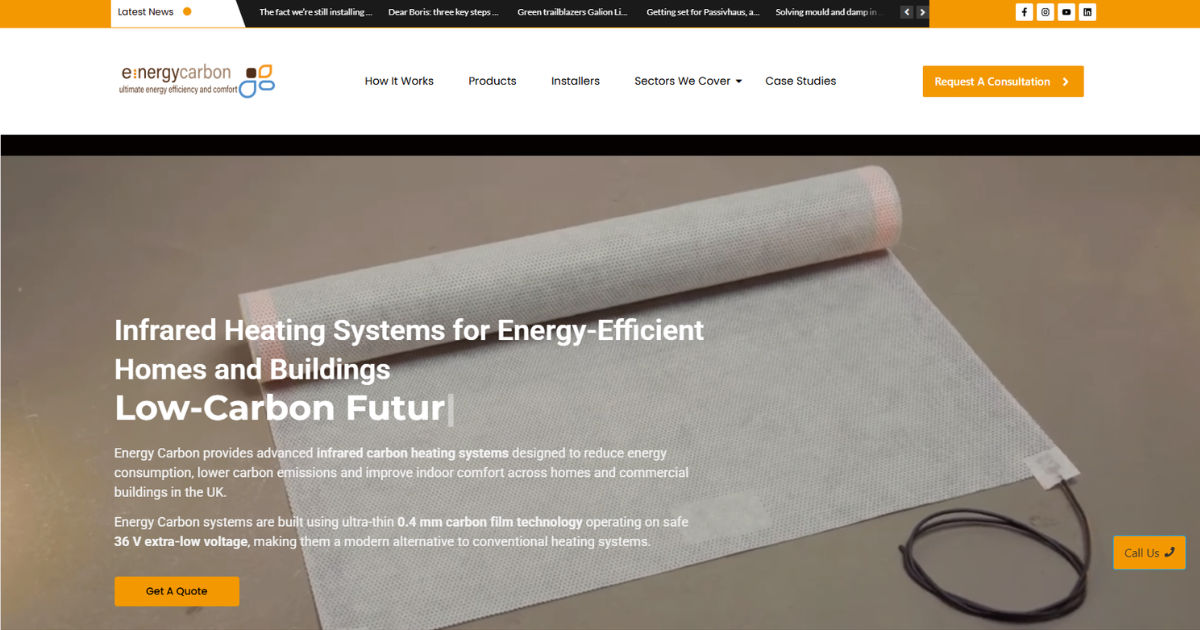
Infrared heating works differently from conventional radiators. Instead of heating the air first, infrared panels emit radiant heat that warms objects, walls, and people directly.
This technology can provide comfortable heating with reduced energy waste because less heat is lost through air movement. It can be useful in rooms that need targeted heating or homes where space-saving solutions are important.
However, the efficiency of infrared heating depends heavily on correct placement, room size, insulation, and usage patterns.
Solar-Assisted Heating Systems
Solar heating systems use energy from sunlight to support household heating needs. Solar thermal systems can heat water, while solar panels combined with efficient heating technology can help reduce electricity demand.
The UK climate does not provide constant sunlight throughout the year, so solar systems are often used alongside another heating source rather than acting as the only heating solution.
Biomass Heating Systems
Biomass boilers burn organic materials such as wood pellets to generate heat. They can be a renewable alternative when fuel comes from responsibly managed sources.
These systems can work well in rural homes where there is enough storage space for fuel. However, homeowners need to consider maintenance requirements and fuel availability before installation.
How Efficient Are Eco-Friendly Heating Systems?
The efficiency of an eco-friendly heating system depends on several conditions. A high-quality system installed in a poorly insulated home may not perform as expected.
On the other hand, a suitable system installed in a well-prepared property can deliver impressive results.
Reduced Energy Consumption
One of the biggest advantages of modern heating technology is improved energy use. Many systems are designed to avoid unnecessary heat production and operate only when required.
Smart controls, zoning features, and programmable thermostats allow homeowners to manage heating more effectively. Instead of heating the entire home constantly, energy can be focused on occupied areas.
This targeted approach can reduce wasted energy and improve overall efficiency.
Lower Running Costs
Although some eco-friendly heating systems have higher upfront costs, they can provide savings over time.
For example, heat pumps can significantly reduce energy usage compared with older heating systems because they transfer heat rather than creating it through combustion.
The actual savings depend on electricity prices, installation quality, property insulation, and household heating habits.
Better Performance With Insulation
Insulation plays a major role in heating efficiency. Even the most advanced heating system will struggle if warm air escapes through walls, roofs, windows, or doors.
Before installing a new system, homeowners should consider improving:
- Loft insulation
- Wall insulation
- Window efficiency
- Door seals
- Overall draught protection
A well-insulated home allows heating systems to operate more efficiently because less energy is needed to maintain indoor temperatures.
Environmental Benefits of Efficient Heating
Reducing household carbon emissions is one of the main reasons homeowners consider greener heating solutions.
Traditional heating systems often depend on fuels that release carbon emissions during operation. Renewable heating technologies can reduce reliance on these fuels and support cleaner energy use.
The environmental impact depends on the electricity source, system efficiency, and maintenance practices. As the UK energy network continues moving toward renewable sources, electric-based heating systems may become even cleaner.
Are Eco-Friendly Heating Systems Suitable for Every Home?
While these systems offer many benefits, they are not automatically the perfect choice for every property.
Several factors should be considered before installation.
Property Size and Layout
Large homes may require more powerful systems or additional heating zones. Smaller properties may benefit from compact solutions such as infrared panels or efficient electric heating options.
The layout of the home also affects performance because heat distribution can vary between open-plan spaces and traditional room layouts.
Existing Heating Infrastructure
Replacing an old heating system may involve changes to pipework, radiators, electrical connections, or controls.
Some homes can transition easily, while others may require additional upgrades.
Installation Quality
Professional installation is essential for achieving good efficiency. Incorrect sizing, poor placement, or unsuitable system selection can reduce performance.
A heating system should be designed according to the home's heat requirements rather than simply choosing the largest available option.
Common Misunderstandings About Eco-Friendly Heating
Some homeowners believe renewable heating systems cannot provide enough warmth during cold UK winters. Modern systems, when properly designed, can provide reliable heating even in colder conditions.
Another common misunderstanding is that eco-friendly systems always reduce bills immediately. While many can lower energy costs, the results depend on installation expenses, energy tariffs, and how efficiently the system is used.
Understanding these factors helps homeowners make realistic decisions.
Maintenance Requirements
Regular maintenance helps keep heating systems efficient throughout their lifespan.
Maintenance may include:
- Checking system performance
- Cleaning components
- Inspecting controls
- Reviewing energy usage
- Addressing minor problems early
A neglected system may lose efficiency over time and require more energy to provide the same level of heating.
Comparing Eco-Friendly Heating With Traditional Systems
Traditional gas boilers have been widely used in UK homes because they are familiar, reliable, and relatively affordable to install.
However, older boilers can lose efficiency as they age. They also depend on fossil fuels, which contribute to carbon emissions.
Eco-friendly alternatives generally require more planning but offer advantages such as:
- Improved energy efficiency
- Lower environmental impact
- Better long-term sustainability
- Modern smart control options
The best choice depends on the individual property and homeowner priorities.
Future of Home Heating in the UK
The UK heating market is changing as more households look for cleaner energy solutions. Government targets, rising energy awareness, and improved technology are encouraging homeowners to explore alternatives to traditional heating.
Future heating systems are expected to become smarter, more efficient, and easier to integrate with renewable energy sources.
Smart technology will likely play a larger role by allowing systems to automatically adjust heating based on weather conditions, occupancy, and energy demand.
Conclusion
So, are home eco-friendly heating systems efficient? In many cases, yes. When correctly chosen, professionally installed, and used in a suitable property, they can provide excellent heating performance while reducing energy waste.
Eco Friendly heating systems UK options offer homeowners a way to improve comfort while supporting a more sustainable future. However, efficiency is not only about the heating technology itself. Insulation, maintenance, installation quality, and household habits all influence the final results.
For homeowners considering an upgrade, the most effective approach is to assess the property carefully and choose a system that matches its specific needs. A well-designed eco-friendly heating solution can provide reliable warmth, improved energy management, and long-term benefits for both the household and the environment.