
A commercial roof protects much more than the building itself. It helps keep offices, warehouses, retail spaces, factories, equipment, inventory, and employees protected from weather and water damage. When something goes wrong, property owners often wonder whether they need a specialist or whether the company that installed the roof can handle the problem. 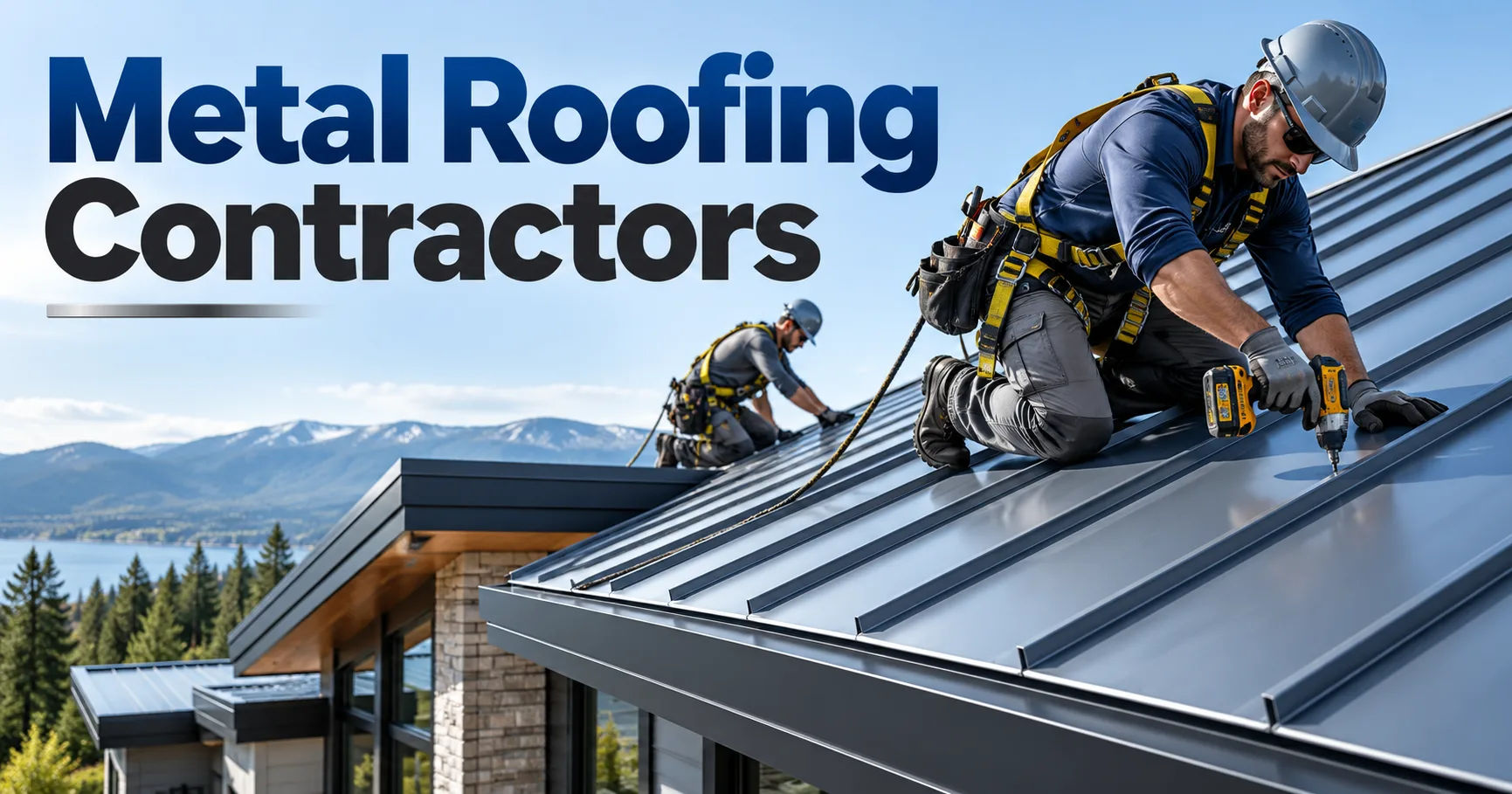 In many cases, commercial roofing contractors do handle repairs as part of their regular services.
Repair work is actually one of the most common responsibilities of commercial roofing professionals. A contractor may inspect the roof, identify the source of a leak, repair damaged membranes, replace deteriorated flashing, seal penetrations, correct drainage problems, and address other issues that could shorten the roof's service life. The exact services available depend on the contractor's experience and the type of roofing system installed.
Understanding what commercial roof repair involves can help building owners respond to problems before they become expensive emergencies. A small leak may look insignificant from inside the building, but water can travel through insulation, decking, and other materials before the visible damage appears.
What Does Commercial Roof Repair Include?
Commercial roof repair is broader than simply patching a visible hole. Professional contractors usually begin by determining why the problem occurred and where water or damage is actually entering the building.
Leak Detection and Repair
Roof leaks are among the most common reasons businesses contact roofing professionals.
Finding the source is not always straightforward. Water can enter at one point and travel along the roof assembly before appearing somewhere completely different inside the building.
A contractor may inspect seams, flashing, penetrations, drains, edges, membranes, and other vulnerable areas. Once the source is identified, the appropriate repair can be performed.
The repair might involve sealing a damaged seam, replacing a section of membrane, repairing flashing, or correcting another underlying problem.
Damaged Roofing Membranes
Many commercial buildings use membrane roofing systems. These may include single-ply systems such as TPO, PVC, or EPDM.
Membranes can become damaged by weather, foot traffic, falling debris, equipment installation, or aging. Punctures, tears, open seams, and deteriorated sections can allow moisture into the roofing assembly.
Experienced commercial roofing contractors can often repair localized damage without replacing the entire roof. The repair method depends on the membrane material and the extent of the problem.
Flashing Repairs
Flashing is installed around areas such as roof edges, walls, vents, skylights, chimneys, and other penetrations.
Because these locations involve transitions between different materials and surfaces, they can become vulnerable over time.
Damaged or improperly installed flashing can contribute to leaks. A roofing professional can inspect these areas and repair or replace the affected flashing when necessary.
Drainage Problems
Commercial roofs need effective drainage. Standing water can place unnecessary stress on roofing materials and may contribute to deterioration.
Roof drains, scuppers, gutters, and related drainage components can become blocked or damaged. In some cases, the roof itself may have drainage or slope-related problems.
A contractor can identify drainage concerns and recommend repairs or improvements based on the roof's design.
When Should You Call a Roofing Contractor?
Not every roofing problem produces an obvious warning.
Some signs are easy to notice, such as water dripping from a ceiling. Others are more subtle and may appear as stains, unusual odors, damaged insulation, or bubbling materials.
Water Stains on Ceilings
A water stain inside the building should not automatically be treated as a minor cosmetic issue.
It may indicate that water has entered the roof system. Even if the stain appears small, continued moisture exposure can damage insulation, decking, drywall, and other building materials.
A professional inspection can help determine whether the roof is responsible and how extensive the problem may be.
Damaged or Missing Materials
After severe weather, property managers should look for visible signs of roof damage.
Loose materials, punctures, damaged flashing, cracked surfaces, and displaced components can all require professional attention.
Storm damage should be addressed promptly because a small opening can allow additional water to enter during the next rainfall.
Increasing Interior Moisture
Unexpected moisture, damp insulation, or recurring condensation may indicate a roofing or ventilation problem.
It is important to identify the actual cause rather than assuming every moisture problem is a roof leak. A qualified contractor can inspect the roof and help determine whether roofing materials are involved.
Can Contractors Repair Every Type of Commercial Roof?
No. Roofing contractors do not necessarily work on every roofing system.
Commercial roofs vary considerably in materials, construction, age, and installation methods.
Single-Ply Roofing
TPO, PVC, and EPDM systems are common on commercial buildings.
Repair methods vary according to the membrane. Some systems can be heat-welded, while others use adhesives, tapes, or specialized repair materials.
Choosing a contractor familiar with the specific membrane can make the repair process more straightforward.
Modified Bitumen
Modified bitumen roofs are often repaired by addressing damaged membranes, seams, flashing, and other vulnerable areas.
The appropriate repair method depends on the roofing assembly and the condition of the affected area.
Built-Up Roofing
Built-up roofing consists of multiple layers and may require specialized repair techniques.
A contractor needs to understand how the existing system was constructed before determining the appropriate repair method.
Metal Roofing
Metal roofs can develop loose fasteners, corrosion, damaged panels, failed sealants, and problems around penetrations.
Some issues can be repaired locally. More extensive corrosion or panel damage may require replacement of individual components.
Is Repair Better Than Roof Replacement?
Repair is not always the correct solution.
If the damage is isolated and the overall roof remains in good condition, a targeted repair may be practical. However, if the roofing system has widespread deterioration, repeated leaks, extensive moisture damage, or has reached the end of its expected service life, replacement may make more sense.
A responsible contractor should explain the condition of the roof rather than automatically recommending the most expensive option.
Minor Damage
Localized damage can often be repaired without replacing large sections of the roof.
For example, a damaged seam, isolated puncture, or small flashing failure may be addressed with a targeted repair.
Widespread Deterioration
A roof with problems across numerous areas may require a more extensive solution.
Repeated repairs can become expensive when the underlying roofing system is already deteriorated. In such circumstances, continuing to patch individual problems may only delay a necessary replacement.
Age Matters
Roof age should also be considered.
An older roof may still be repairable, but the cost and expected remaining service life are important factors. A repair that makes sense for a relatively young roof may not provide the same value on an aging system.
How Do Commercial Roofing Contractors Approach Repairs?
The repair process generally begins with inspection rather than immediate patching.
Step One: Inspection
The contractor examines the roof and looks for visible and hidden signs of damage.
This may include checking seams, membranes, flashing, penetrations, drainage systems, edges, and other components.
The goal is to identify the actual source of the problem.
Step Two: Diagnosis
Once the inspection is complete, the contractor determines what is causing the damage.
This step matters because repairing only the visible symptom may not solve the underlying problem.
For example, replacing damaged interior ceiling material will not stop water from entering through the roof.
Step Three: Repair Recommendation
The contractor can then explain the recommended repair.
Depending on the situation, this could involve a small patch, membrane repair, flashing replacement, drainage correction, or a larger section replacement.
The recommendation should account for the roof's condition, age, materials, and expected service life.
Step Four: Repair Work
Once the repair is approved, the affected area is prepared and repaired using materials appropriate for the existing roofing system.
Proper preparation is important. Applying a new material over an improperly prepared surface can result in another failure.
Step Five: Follow-Up
After the work is completed, the contractor may inspect the repaired area again to confirm that the repair has been properly completed.
For commercial properties, documenting repair work can also be useful for future maintenance and warranty records.
Are Emergency Roof Repairs Available?
Many commercial roofing companies offer emergency services, although availability varies.
An emergency can occur after severe rain, wind, hail, falling debris, or another unexpected event.
The immediate priority is usually to limit additional water intrusion and protect the building's contents.
Temporary measures may sometimes be used until permanent repairs can be completed. For example, a contractor might temporarily cover or secure a damaged area.
Businesses should not assume that a temporary solution is a permanent repair. The roof should be properly evaluated afterward.
How Much Do Commercial Roof Repairs Cost?
There is no single price for commercial roof repair.
The cost depends on several factors, including the roofing material, size of the damaged area, accessibility, extent of water damage, labor requirements, and whether specialized equipment is needed.
A small localized repair may be relatively inexpensive, while extensive damage can require considerably more work.
The best way to understand the cost is to have the roof inspected and obtain a detailed estimate.
Why Cheap Repairs Can Be Risky
The cheapest estimate is not necessarily the most economical option.
A low-cost repair may fail if the contractor does not correctly identify the source of the problem or uses inappropriate materials.
Businesses should look at the scope of work, materials, warranties, contractor experience, and repair methods rather than focusing only on the initial price.
What Should You Ask Before Hiring a Contractor?
Before allowing someone to repair a commercial roof, ask a few practical questions.
Are You Experienced With This Roofing System?
Experience with the exact roof type is important.
A contractor who primarily works on residential asphalt shingles may not be the right choice for a large commercial membrane roof.
What Is Causing the Problem?
Ask the contractor to explain the cause in understandable terms.
A professional should be able to describe what was found and why the proposed repair addresses it.
Is the Repair Temporary or Permanent?
This distinction matters, particularly after an emergency.
A temporary measure may protect the building while a permanent repair is scheduled, but it should not be presented as the same thing.
Is the Work Covered by a Warranty?
Ask whether the repair itself carries a warranty and what conditions apply.
Also determine whether the proposed work could affect an existing roof warranty.
Will You Provide a Written Estimate?
A written estimate helps the property owner understand what work is being proposed.
It should identify the repair area, materials, labor, and other relevant charges where possible.
Can Regular Maintenance Reduce Repair Needs?
Yes, regular roof maintenance can help identify developing problems before they become major failures.
Maintenance does not guarantee that a roof will never leak or become damaged. Weather and normal aging can still create problems.
However, periodic inspections can reveal deteriorated sealants, blocked drains, damaged flashing, loose components, membrane issues, and other concerns.
Addressing these problems early can sometimes prevent more extensive damage.
Keep Drainage Systems Clear
Blocked drains and gutters can create avoidable problems.
Debris should be removed according to an appropriate maintenance schedule, particularly when the building is surrounded by trees or other sources of debris.
Monitor Rooftop Equipment
Commercial roofs often contain HVAC units, vents, pipes, electrical equipment, and other installations.
Work around this equipment can potentially damage roofing materials. Maintenance teams should take care when accessing these areas.
Schedule Professional Inspections
Professional inspections can provide a more complete assessment than a basic visual check from inside the building.
The inspection frequency depends on the roof, building conditions, weather exposure, and maintenance requirements.
Conclusion
Yes, commercial roofing contractors commonly handle repairs, and repair work is an important part of commercial roof maintenance. Their services can include leak detection, membrane repairs, flashing work, drainage corrections, metal roof repairs, storm damage assessment, and other localized fixes.
The important issue is not simply whether a contractor can patch a damaged area. The contractor should be able to identify why the problem occurred and determine whether repair is appropriate for the roof's overall condition.
Small problems deserve attention because roofing damage can spread beyond the original area. Moisture can affect insulation, decking, ceilings, equipment, inventory, and interior spaces if it is allowed to continue.
At the same time, not every damaged roof needs to be replaced. When deterioration is limited, a properly performed repair may extend the useful life of the existing system. When damage is widespread or the roof is near the end of its service life, replacement may need to be considered.
For a commercial property owner or manager, the practical approach is to arrange a professional inspection, understand the cause of the problem, ask what repair options are available, and compare the expected cost with the remaining life of the roof. Choosing experienced commercial roofing contractors who understand the specific roofing system can also help ensure that repairs are performed using appropriate methods and materials.