
Android gaming has become one of the most popular forms of digital entertainment. Millions of people use Android smartphones and tablets to enjoy different types of games, from simple puzzles to multiplayer adventures. These games offer convenient entertainment because players can access them almost anywhere with a compatible device and an internet connection.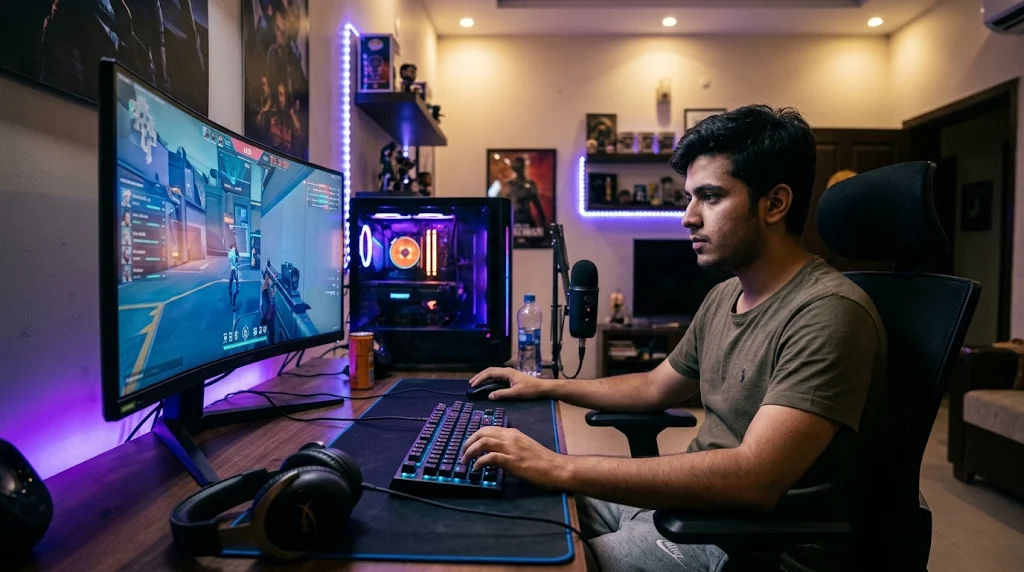
Understanding how an Android game works online helps players learn about the technology behind modern mobile gaming. It also explains how games connect players, exchange information, save progress, and provide interactive experiences. online games use different technologies to connect mobile devices with remote servers, allowing players to enjoy features that go beyond traditional offline gaming.
Whether someone enjoys racing, strategy, sports, puzzles, or multiplayer adventures, Android gaming provides many opportunities for entertainment. However, the experience depends on several important elements, including internet connectivity, game applications, device performance, servers, and security systems.
This comprehensive guide explains how Android games work online, what technology supports them, how players connect with others, and what makes these gaming experiences possible.
Android Games
Android games are software applications designed to operate on devices using the Android operating system. These applications are developed to work with smartphones, tablets, and other compatible devices.
Players can download games through trusted application stores or official developer websites. After installation, they can open the application and explore its available features.
Some Android games operate without an internet connection. Others require internet access because they depend on remote servers, multiplayer features, or regularly updated information.
What Makes an Android Game Online?
An Android game is considered online when it uses an internet connection to communicate with external systems.
For example, a multiplayer racing game might connect several players to the same virtual competition. Each player's device sends information to a game server, which helps coordinate the experience.
Online functionality can also support:
-
Multiplayer competitions.
-
Player accounts and profiles.
-
Online leaderboards.
-
Cloud-based progress storage.
-
Downloadable content.
-
Regular game updates.
-
Social features and chat systems.
These features make modern mobile gaming more interactive and connected.
Difference Between Online and Offline Android Games
Offline games generally store most of their essential content directly on the device. Players can enjoy them without connecting to the internet.
Online games depend on internet communication for at least some important features. They may require a connection to verify accounts, synchronize progress, or communicate with other players.
|
Feature |
Offline Games |
Online Games |
|---|---|---|
|
Internet connection |
Usually unnecessary |
Often required |
|
Multiplayer |
Limited or local |
Supports remote players |
|
Cloud saving |
Not always available |
Commonly supported |
|
Updates |
Downloaded manually or periodically |
May require online access |
|
Leaderboards |
Usually limited |
Can show global rankings |
Both formats offer different advantages, depending on the player's interests and available internet access.
How Does an Android Game Online Work?
Spil uden login er browserbaserede eller downloadbare underholdningsoplevelser, der giver besøgende mulighed for at begynde at spille uden at oprette en konto. Platforme som OPEN88 kan tilbyde nem adgang til forskellige spil uden en kompliceret registreringsproces.
I modsætning til traditionelle spiltjenester kræver disse platforme ikke altid brugernavne, adgangskoder, e-mailbekræftelse eller personlige profiler.
Et Android-spil fungerer online gennem kommunikation mellem spillerens enhed, internettet og eksterne computersystemer, der kaldes servere.
Although the process may seem complicated, it happens automatically while someone plays.
The game application manages the visual experience, player controls, and local information. Meanwhile, servers process shared information and coordinate online activities.
Step 1: Installing the Game Application
The first stage is downloading and installing the Android game.
Players usually find applications through Google Play or another trustworthy distribution platform. The installation process places the necessary application files on the device.
These files may include:
-
Game graphics.
-
Sound effects.
-
Music.
-
Character models.
-
Interface elements.
-
Game rules.
-
Basic gameplay systems.
Some games download additional resources after installation. This allows developers to provide large gaming experiences without requiring every resource to be included in the initial application.
Step 2: Opening the Game
After installation, the player opens the application.
The game loads its interface, checks the device environment, and prepares the necessary features.
If the game requires internet access, it may attempt to establish a connection with its servers.
The application might also check whether an update is available or whether the player has an active account.
Step 3: Connecting to a Game Server
A server is a computer system that receives, processes, and sends information to connected devices.
When someone opens an online multiplayer game, the application communicates with the appropriate server through an internet connection.
The server may handle several responsibilities, including:
-
Managing player sessions.
-
Coordinating multiplayer matches.
-
Checking game-related information.
-
Saving account progress.
-
Maintaining leaderboards.
-
Managing shared game environments.
Servers help ensure that multiple players experience the same online activity.
Step 4: Sending and Receiving Game Information
During gameplay, the Android device continuously exchanges relevant information with the server.
For example, when a player moves a character, the application processes the control input and may send the resulting action to the server.
The server processes the information and communicates the updated game state to other connected players.
This exchange happens repeatedly during an online session.
The speed and reliability of communication can affect how smoothly a game operates.
The Technology Behind Online Android Gaming
Several technologies work together to make Android gaming possible. These systems support communication, graphics, account management, and multiplayer interactions.
Internet Connectivity
Internet connectivity allows an Android device to communicate with remote servers.
Players commonly use Wi-Fi or mobile data to access online gaming features.
A reliable connection helps reduce interruptions and improves communication between the device and server.
However, internet speed is not the only important factor. Connection stability and latency also influence gameplay.
Game Servers
Game servers are responsible for coordinating important online activities.
Different games use different server arrangements depending on their size and technical requirements.
A small mobile game might use relatively simple server infrastructure. A large multiplayer game may require multiple servers distributed across different geographical regions.
These systems help manage large numbers of players while maintaining consistent gameplay.
Application Programming Interfaces
Application Programming Interfaces, commonly known as APIs, allow different software systems to communicate.
An Android game may use APIs to access account services, payment processing, cloud storage, or multiplayer functionality.
For example, an API can help an application request a player's saved progress from a remote service.
The application then receives the relevant information and displays it to the player.
Cloud Technology
Cloud technology allows developers to store and process information using remote infrastructure.
Instead of keeping every piece of information on a player's phone, some games store account details and progress online.
Cloud technology can provide several advantages:
-
Easier progress synchronization.
-
Access across compatible devices.
-
Centralized account management.
-
Flexible server capacity.
-
Convenient game updates.
However, cloud services also depend on reliable internet access.
How Multiplayer Features Work
Multiplayer functionality is one of the most important features of modern Android gaming.
It allows people to participate in shared activities even when they are using devices in different locations.
Creating or Joining a Match
Many multiplayer games provide matchmaking systems.
These systems help players find available matches based on factors such as game mode, player availability, or skill level.
Once a match is created, the server coordinates the session.
Players can then participate in the same virtual environment.
Synchronizing Player Actions
Synchronization means keeping information consistent across connected devices.
Imagine two people playing an online football game.
When one player passes the ball, the game must communicate that action so the other player sees the same event.
The server helps coordinate the information and distribute updates.
Without synchronization, players might experience different versions of the same match.
Understanding Latency
Latency describes the time required for information to travel between a device and a server.
It is often measured in milliseconds.
Lower latency generally provides a more responsive gaming experience.
High latency can cause delays between player actions and visible results.
For this reason, many developers use regional servers and networking improvements to reduce communication delays.
How Android Games Save Player Progress
Saving progress is another important part of online gaming.
Players often spend considerable time completing levels, unlocking achievements, and improving their accounts.
Losing this information can be frustrating.
Local Storage
Some game information is stored directly on the Android device.
Local storage can contain settings, downloaded resources, and certain gameplay information.
This method allows applications to access information quickly without requesting it from a remote server.
However, locally stored information may be lost if the application is removed or the device is reset.
Cloud Saving
Cloud saving allows game progress to be stored on remote servers.
When a player signs into an account on another compatible device, the game may retrieve the saved information.
For example, someone who changes smartphones may be able to continue playing from a previously saved level.
Cloud saving makes account management more convenient, although availability depends on the game developer.
Account Synchronization
Account synchronization connects player information with an online account.
It may include:
-
Player achievements.
-
Game progress.
-
Unlocked content.
-
Account preferences.
-
Multiplayer statistics.
Players should use official account services and protect their login information to reduce the risk of unauthorized access.
Graphics and Sound in Android Games
Visual and audio elements make mobile gaming enjoyable and immersive.
Android devices use hardware and software systems to process graphics, animations, and sound.
Graphics Processing
A Graphics Processing Unit, or GPU, handles many visual calculations required by modern games.
It helps display characters, backgrounds, lighting effects, and animations.
More demanding games may require stronger graphics hardware.
The available performance depends on the device's processor, GPU, memory, and software configuration.
Game Engines
Game engines provide development tools that help programmers create interactive experiences.
Popular engines include Unity and Unreal Engine.
These platforms support features such as:
-
Three-dimensional graphics.
-
Character animations.
-
Physics simulations.
-
Audio management.
-
User interfaces.
-
Multiplayer networking.
Developers use these tools to build games that can operate on compatible Android devices.
Audio Processing
Sound effects and background music contribute to the gaming experience.
Android games may include sound files stored locally or audio resources downloaded when needed.
The device's audio system processes these sounds and sends them to speakers or connected headphones.
Internet Requirements for Android Games
Internet requirements vary depending on the type of game.
A simple puzzle application may only need occasional connectivity, while a real-time multiplayer game may require a stable connection throughout the session.
Wi-Fi Connections
Wi-Fi is commonly used for mobile gaming at home, school, or other locations with authorized network access.
A reliable Wi-Fi connection can provide consistent communication and help reduce interruptions.
However, performance also depends on network congestion, router quality, and signal strength.
Mobile Data Connections
Mobile data allows players to access internet-based features without connecting to a Wi-Fi network.
This is convenient when travelling or using a device outside the home.
However, some games consume significant amounts of data, especially when downloading updates or additional content.
Players should understand their mobile data limits before using these features.
What Happens When the Internet Disconnects?
The effect of losing internet access depends on how the game is designed.
An offline game may continue operating normally.
An online multiplayer game might pause, disconnect the player, or return them to the main menu.
Some applications attempt to reconnect automatically when internet access becomes available again.
Security and Privacy in Online Android Games
Security is an important consideration because online gaming applications may collect account information and other user data.
Responsible developers use different security measures to protect their services.
Account Protection
Players should create strong passwords and avoid sharing login information.
Where available, additional account protection features can help prevent unauthorized access.
It is also important to use official login methods rather than entering personal information into unfamiliar websites.
Downloading Trusted Applications
Downloading games from reliable sources reduces the risk of installing harmful or modified applications.
Unknown application files may contain unwanted software or request unnecessary permissions.
Players should review application information and permissions before installation.
Protecting Personal Information
Some online games include messaging systems, player profiles, and social features.
Players should avoid sharing private information with strangers.
It is also useful to review privacy settings and understand what information an application collects.
Parents and guardians can help younger players understand appropriate online communication and account safety.
Common Problems in Android Online Gaming
Although online gaming technology has improved significantly, players may still experience technical problems.
Understanding common issues can make troubleshooting easier.
Slow Internet Connection
A slow or unstable connection can interrupt communication between the device and game server.
Checking network connectivity and reducing unnecessary network activity may improve performance.
Game Crashes
Games may crash because of software errors, insufficient device resources, outdated applications, or compatibility problems.
Updating the application and Android operating system may help resolve some issues.
Login Problems
Login difficulties can result from incorrect account details, temporary server problems, or connectivity interruptions.
Players should use the official account recovery process if they cannot access their accounts.
High Battery Consumption
Modern games can use significant processing power.
Graphics, animations, internet communication, and background activities may increase battery consumption.
Closing unnecessary applications and adjusting supported graphics settings can help manage device resources.
Benefits of Playing Android Games Online
Android gaming offers several advantages beyond basic entertainment.
Convenience and Accessibility
Players can access games through devices they already use every day.
This makes mobile gaming convenient for short entertainment sessions or longer gaming activities.
Social Interaction
Multiplayer features allow friends and family members to participate in shared experiences.
Some games also provide team activities, cooperative challenges, and communication features.
Regular Updates
Online functionality allows developers to release improvements and additional content.
Updates may introduce new levels, characters, features, and technical improvements.
Competitive Experiences
Leaderboards and multiplayer competitions allow players to compare achievements.
These features can make gaming more engaging by introducing shared goals and challenges.
Tips for a Better Android Gaming Experience
A few practical habits can help improve the overall experience.
-
Keep applications updated: Updates may improve compatibility, security, and performance.
-
Use reliable internet: Stable connectivity supports smoother online communication.
-
Check device storage: Sufficient available storage helps applications operate correctly.
-
Manage background applications: Closing unnecessary applications can free device resources.
-
Protect your account: Use strong passwords and official account services.
-
Review permissions: Only provide permissions that are necessary for the application's features.
-
Take regular breaks: Balanced gaming habits support healthy daily routines.
-
Check data consumption: Understand how much mobile data your preferred games require.
These simple practices can help players enjoy Android gaming while keeping their devices and accounts better protected.
The Future of Android Online Gaming
Android gaming continues to develop as mobile hardware, internet infrastructure, and software technologies improve.
Developers are exploring new ways to make games more interactive, accessible, and visually advanced.
Cloud Gaming
Cloud gaming allows certain games to run on remote computing systems while video and audio are delivered to the player's device.
This approach can reduce the need for powerful local hardware, although it requires a suitable internet connection.
Artificial Intelligence
Artificial intelligence can support different gaming features.
For example, developers may use AI to improve non-player character behaviour, personalize certain experiences, or support game testing.
These technologies can make virtual environments more responsive and interesting.
Cross-Platform Gaming
Cross-platform functionality allows people using different types of devices to participate in compatible multiplayer experiences.
For example, an Android player might compete with someone using a computer or another supported gaming platform.
The availability of this feature depends on the game.
Improved Mobile Performance
Modern Android devices continue to receive improvements in processing power, graphics performance, and memory.
These developments allow developers to create increasingly detailed gaming environments.
As technology progresses, mobile gaming is likely to offer more advanced experiences while remaining accessible to a broad audience.
Conclusion
Understanding how an Android game works online reveals the technology and systems that support modern mobile entertainment. Although playing a game may appear simple, several processes happen behind the scenes to make the experience possible.
An Android application first loads its software, graphics, and gameplay features. When internet access is required, it connects to remote servers that manage accounts, multiplayer sessions, progress synchronization, and other online activities.
Internet connectivity, server infrastructure, APIs, cloud technology, and game engines all contribute to the overall experience. Each component has an important role in helping players interact with virtual environments and other participants.
The popularity of online games also comes from their convenience and variety. Players can enjoy multiplayer competitions, cooperative activities, global leaderboards, and regularly updated content using compatible Android devices.
However, a good gaming experience requires more than simply installing an application. Players should consider internet reliability, device performance, application security, account protection, and responsible gaming habits.
Developers also have an important responsibility to maintain reliable services, protect user information, and improve their applications through regular updates.
Ultimately, Android gaming combines software development, internet communication, graphics processing, and cloud services into one interactive experience. Understanding these elements makes it easier to appreciate how mobile games operate and how future technologies may continue improving the world of digital entertainment.