
Bali is one of the most popular travel destinations in the world, attracting visitors with its beautiful beaches, green rice terraces, ancient temples, and lively tourist areas. However, exploring the island can sometimes be challenging because of heavy traffic, narrow roads, busy intersections, and changing road conditions. For travelers who want to enjoy their holidays without worrying about driving, hiring a professional driver can make the journey much easier.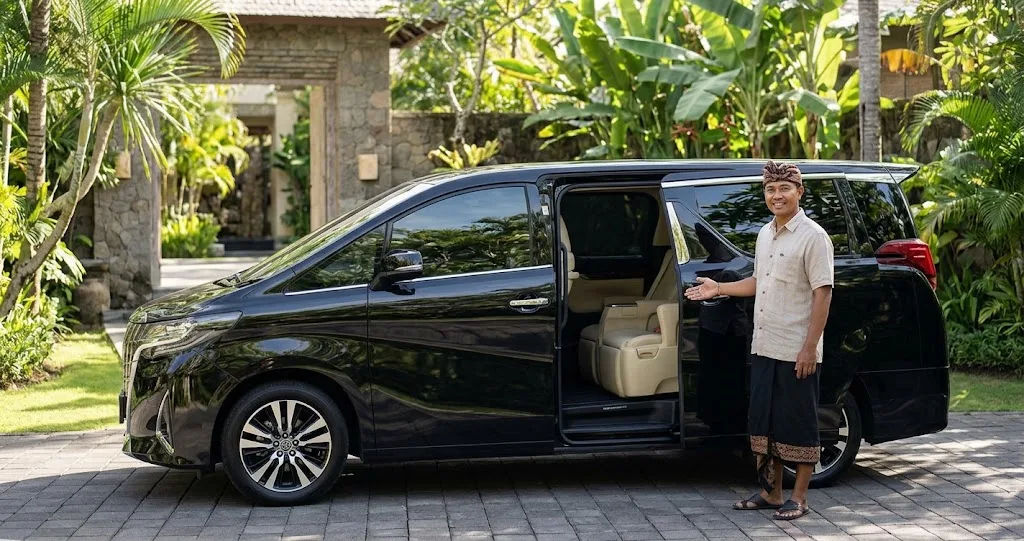
Traffic conditions in Bali can vary significantly depending on the location, time of day, weather, and season. Popular destinations such as Canggu, Seminyak, Ubud, Kuta, and Uluwatu often experience congestion, especially during peak tourist periods. Understanding how transportation works can help visitors plan their activities more effectively.
A Bali private driver can help travelers navigate these challenges by choosing suitable routes, adjusting departure times, and using local knowledge to avoid unnecessary delays. Instead of concentrating on unfamiliar roads, visitors can relax, enjoy the scenery, and focus on their travel experiences. Although a private driver cannot eliminate traffic completely, an experienced professional can often make journeys more comfortable and manageable.
Whether you are visiting Bali for a family holiday, a romantic getaway, or an adventure with friends, understanding how private drivers handle traffic can help you make informed transportation decisions.
Traffic Conditions in Bali
Before learning how a private driver manages traffic, it is important to understand why congestion occurs across the island.
Bali has a mixture of modern roads, narrow village streets, busy commercial areas, and winding routes through rural landscapes. These different road conditions require drivers to remain alert and flexible throughout their journeys.
Why Traffic Congestion Happens
Several factors contribute to traffic congestion in Bali.
First, popular tourist destinations attract large numbers of visitors throughout the year. Areas such as Seminyak and Canggu are particularly busy because they contain restaurants, beach clubs, hotels, shops, and entertainment venues.
Second, motorcycles are a major part of everyday transportation. They frequently move through available gaps in traffic, requiring car drivers to pay close attention to their surroundings.
Third, many roads are relatively narrow. In residential neighborhoods and traditional villages, vehicles may need to slow down when passing pedestrians, parked motorcycles, delivery vehicles, or other cars.
Roadworks, ceremonies, school traffic, and unexpected weather can also affect journey times.
Differences Between Tourist Areas
Bali private driver conditions are not the same throughout Bali.
In Canggu, congestion is common around popular cafes, beach entrances, and busy residential streets. Seminyak experiences considerable traffic near shopping areas, restaurants, and hotels.
Ubud has a different pattern. Its central streets can become crowded with tourists, tour vehicles, motorcycles, and visitors walking between attractions.
Meanwhile, journeys through less developed areas may be quieter but involve narrow roads, sharp bends, or steep sections.
A knowledgeable driver understands these differences and adjusts the journey according to the destination.
How a Bali Private Driver Manages Heavy Traffic
Professional drivers rely on experience, planning, and careful decision-making to handle busy roads. Their goal is not simply to move quickly but to transport passengers safely and comfortably.
Planning Routes Before Departure
One of the most effective ways to manage traffic is to plan the route before leaving.
An experienced driver considers the starting point, destination, expected travel time, road conditions, and any stops requested by passengers. They may also consider whether the destination is easier to reach through a main road or a smaller connecting street.
For example, a traveler staying in Seminyak who wants to visit Ubud may benefit from leaving earlier in the morning rather than departing during a busy period.
Route planning also helps drivers identify alternative roads when congestion develops.
However, smaller roads are not always faster. Some residential streets are narrow, crowded, or unsuitable for larger vehicles. A professional driver must balance possible time savings with safety and convenience.
Using Navigation Applications
Navigation applications can help drivers identify traffic congestion and compare possible routes.
These tools may provide information about slow-moving traffic, road closures, estimated arrival times, and alternative directions.
A private driver can combine this information with personal knowledge of local roads. This combination is valuable because digital navigation does not always account for every local condition.
For instance, an application might recommend a shortcut that appears faster on the screen. A driver familiar with the area may know that the road is extremely narrow or becomes difficult to navigate during busy periods.
Technology provides useful information, but experience helps drivers interpret it correctly.
Adjusting Routes When Conditions Change
Traffic conditions can change unexpectedly. An accident, temporary road closure, local ceremony, or sudden downpour may disrupt an otherwise straightforward journey.
A professional driver monitors the situation and decides whether changing the route is worthwhile.
If an alternative road offers a realistic time saving without creating additional risks, the driver may choose it. If every available route is congested, continuing along the safest practical road may be the better option.
Passengers should understand that route changes are a normal part of driving in Bali.
A good driver communicates significant changes and explains why the original journey may take longer than expected.
Choosing the Best Time to Travel
Departure time can have a major effect on how long it takes to reach a destination.
A private driver can help travelers organize their itinerary around expected traffic patterns rather than attempting every journey at the busiest times.
Traveling Early in the Morning
Early departures are often useful for popular attractions and longer journeys.
For example, visitors planning to explore Ubud from southern Bali may prefer to leave early rather than travel after the roads become busier.
Morning departures can also help travelers reach popular viewpoints before large crowds arrive.
However, traffic conditions vary by location and day. Some roads may already be busy because of school or commuter traffic, so early travel does not guarantee an empty route.
Avoiding Busy Afternoon Periods
Afternoons can become congested around shopping districts, beaches, restaurants, and major tourist routes.
Visitors returning from day trips may also encounter traffic as they approach their accommodation.
A driver can help organize sightseeing stops so that travelers do not need to cross the island repeatedly during busy periods.
For example, instead of visiting a northern attraction and then returning south for lunch before traveling north again, a more organized itinerary can group nearby destinations together.
This approach reduces unnecessary driving and may save considerable time.
Planning Around Sunset
Sunset is a popular time for visitors to explore beaches, coastal viewpoints, and restaurants.
Areas around Uluwatu and other well-known coastal destinations can become especially busy when visitors arrive for evening activities.
A private driver can recommend an earlier departure, allow extra time for parking and walking, and arrange a suitable pickup location.
Travelers should also remember that sunset times change throughout the year. Checking the expected sunset time before leaving can help make the schedule more practical.
How Local Knowledge Makes a Difference
Navigation tools are useful, but local experience is another important advantage of hiring a private driver.
A driver who regularly works in Bali may understand the typical traffic patterns of different neighborhoods and the practical challenges of reaching specific attractions.
Understanding Local Roads
Some roads in Bali are easy to follow, while others pass through residential areas, villages, or narrow streets with limited space for vehicles to pass.
An experienced driver may know which roads are more suitable for a particular vehicle and where turning around could become difficult.
This knowledge is particularly useful when visiting smaller attractions, private villas, traditional villages, and restaurants located away from main roads.
Rather than following directions blindly, a knowledgeable driver can make decisions based on the actual conditions.
Recognizing Local Events and Ceremonies
Traditional ceremonies are an important part of Balinese culture. Depending on the event, temporary road restrictions, pedestrian activity, or processions may affect traffic.
These events can create delays that are difficult for visitors to predict.
A local driver may recognize signs of a ceremony or know that certain areas are likely to become busy during particular occasions.
They can then consider a different route or adjust the departure time when practical.
Travelers should remember that ceremonies are part of the island's cultural life. Allowing extra time and approaching these situations respectfully can make the journey more pleasant.
Finding Practical Pickup and Drop-Off Points
Traffic management is not only about choosing roads. It also involves selecting convenient places to collect and drop off passengers.
Some restaurants, beaches, and tourist attractions have limited parking or crowded entrances.
A driver familiar with the area may arrange a nearby meeting point that is easier to access.
This can reduce the time spent waiting in traffic while looking for a suitable place to stop.
Passengers should confirm pickup arrangements in advance, especially when visiting busy attractions or unfamiliar locations.
The Role of Safety During Heavy Traffic
Reaching a destination quickly is useful, but safety should always remain the priority.
Bali's roads can be unpredictable for visitors who are unfamiliar with local driving conditions. A professional driver should remain patient, maintain appropriate distances, and avoid dangerous maneuvers.
Driving Carefully Around Motorcycles
Motorcycles are common throughout Bali, and riders may approach from different directions or move between slower vehicles.
Drivers must check their mirrors frequently, signal clearly, and remain alert when changing lanes or turning.
A responsible driver avoids sudden movements and allows motorcycles sufficient space.
Passengers should also use seat belts where provided and avoid distracting the driver while the vehicle is moving.
Handling Narrow Roads
Narrow streets can be challenging when two cars approach each other from opposite directions.
In some areas, drivers may need to slow down, wait for another vehicle to pass, or carefully maneuver around parked vehicles.
An experienced driver understands that patience is often the safest solution.
Attempting to force a vehicle through a tight space can cause damage, create additional congestion, or put pedestrians at risk.
Driving During Rain
Rain can affect visibility, road grip, and stopping distances.
Heavy showers may also create localized flooding or make certain roads more difficult to navigate.
A professional driver should reduce speed when necessary, maintain a safe following distance, and choose routes appropriate for the conditions.
If severe weather makes a journey unsafe, delaying departure or changing the itinerary may be more sensible than continuing as planned.
Passengers can help by keeping schedules flexible, particularly during periods of unpredictable weather.
Can a Private Driver Completely Avoid Traffic?
No. Even the most experienced driver cannot guarantee traffic-free travel in Bali.
Congestion can develop suddenly because of accidents, ceremonies, roadworks, weather, or large numbers of vehicles traveling through the same area.
A private driver can reduce some avoidable delays, but they cannot control every factor affecting the road.
The main benefit is having someone who understands how to respond when conditions change.
For example, a driver may recommend visiting a nearby attraction first rather than spending an hour waiting to reach a distant location. They may also suggest moving a lunch reservation or leaving an activity earlier to improve the rest of the itinerary.
Travelers who accept that journey times can vary are more likely to enjoy their holidays without becoming frustrated by unexpected delays.
How to Make Your Journey Faster and More Comfortable
Passengers also play an important role in reducing unnecessary travel time.
A well-organized itinerary, clear communication, and realistic expectations can make transportation much smoother.
Share Your Itinerary in Advance
Tell your driver about the places you want to visit, how long you plan to spend at each location, and whether you have fixed reservations.
This allows the driver to plan a practical route and identify possible scheduling problems before departure.
If you have several destinations on the same day, ask whether they can be arranged geographically.
Grouping nearby attractions together can reduce the need to travel back and forth across the island.
Allow Extra Time for Important Activities
Do not schedule every activity too closely.
If you need to catch a flight, attend a reservation, or arrive at a tour meeting point, leave a suitable buffer for unexpected delays.
The amount of extra time required depends on the route, time of day, weather, and current traffic conditions.
Your driver can provide an estimate based on the planned journey, but it is wise to avoid treating that estimate as a guarantee.
Keep Your Plans Flexible
Flexibility can make a significant difference when traffic becomes unusually heavy.
If a particular destination is difficult to reach, consider visiting a nearby attraction first or adjusting the order of your activities.
For example, a traveler exploring Ubud might visit a nearby market or cultural site before continuing to a more distant attraction.
This can make waiting time feel less frustrating while allowing the day to remain productive.
Any changes should be discussed with the driver so that the revised plan remains practical.
Communicate Clearly
Tell your driver if you prefer a relaxed journey, want to avoid particularly winding roads where possible, or need to reach a destination by a specific time.
Clear communication helps the driver understand your priorities.
It is also helpful to confirm whether waiting time, additional stops, parking charges, and changes to the itinerary are included in the agreed price.
Understanding these details before the trip can prevent misunderstandings later.
Private Driver Versus Driving Yourself in Bali
Some visitors prefer renting a scooter or car, while others choose a private driver. The best option depends on experience, confidence, budget, and travel plans.
Advantages of Hiring a Private Driver
Hiring a driver allows you to focus on the journey instead of navigating unfamiliar roads.
You do not need to concentrate on directions, search for parking at every destination, or make independent decisions about every route change.
A private driver may also offer useful suggestions about departure times, sightseeing stops, and practical pickup points.
For families, groups, and travelers planning several destinations in one day, this arrangement can be particularly convenient.
It may also be helpful for visitors who are unfamiliar with local traffic behavior or do not feel comfortable driving in a different country.
When Self-Driving May Be Suitable
Some experienced travelers prefer the independence of renting their own vehicle.
This can work well when they understand local driving conditions, have the appropriate license and insurance arrangements, and feel confident navigating unfamiliar roads.
However, visitors should carefully consider the challenges of traffic, parking, road conditions, and local driving practices.
Anyone considering a scooter should also understand the risks involved and use appropriate protective equipment.
The decision should be based on safety and practical needs rather than an assumption that self-driving will always be faster or cheaper.
What to Look for When Choosing a Bali Private Driver
Not every driver offers the same level of service. Choosing someone reliable can improve both transportation and the overall holiday experience.
Experience and Local Knowledge
Look for a driver who is familiar with your intended destinations and has experience handling busy tourist routes.
Ask whether they regularly travel between the areas you plan to visit and whether they can recommend sensible departure times.
A knowledgeable driver should be able to explain realistic journey expectations rather than promising that every trip will be quick.
Communication and Reliability
Clear communication is essential when arranging pickups, discussing route changes, and managing unexpected delays.
Confirm the pickup time, meeting location, vehicle details, and agreed price before the trip.
Reading recent reviews may help you understand whether previous customers found the driver punctual, courteous, and dependable.
Vehicle Condition and Comfort
Check that the vehicle is suitable for the size of your group and the amount of luggage you will carry.
Air conditioning can be particularly valuable in Bali's warm and humid climate.
The vehicle should be maintained appropriately, and passengers should have access to seat belts.
If you are traveling with young children, ask about suitable child restraints in advance.
Transparent Pricing
Understand exactly what the quoted price includes.
Some arrangements may cover a fixed number of hours, while others may be based on a particular itinerary or destination.
Additional waiting time, parking, tolls where applicable, and extra stops may involve separate charges.
Discussing these details before departure helps you compare services fairly and avoid unexpected expenses.
Conclusion
Traffic is an important consideration when exploring Bali, particularly for visitors planning to travel between popular destinations such as Canggu, Seminyak, Ubud, and Uluwatu. Busy roads, motorcycles, narrow streets, local ceremonies, and changing weather can all affect journey times.
A Bali private driver helps manage these challenges through careful route planning, local knowledge, flexible scheduling, and attention to road safety. By understanding traffic patterns and using navigation tools appropriately, an experienced driver can often reduce avoidable delays and make journeys more comfortable.
However, no driver can eliminate congestion entirely. Unexpected road closures, accidents, and sudden changes in traffic conditions may affect even the best-planned itinerary. Travelers should therefore allow extra time, communicate their priorities clearly, and remain flexible when circumstances change.
The best approach is to combine professional driving experience with sensible travel planning. Share your itinerary in advance, group nearby attractions together, avoid unnecessarily tight schedules, and choose a driver who values safety, communication, and reliability.
Ultimately, hiring a private driver is about more than reaching a destination. It allows visitors to spend less time worrying about unfamiliar roads and more time enjoying Bali's beaches, temples, landscapes, food, and culture. With realistic expectations and thoughtful planning, travelers can make their journeys smoother and enjoy a more relaxed experience across the island.