
Sportswear is designed to keep people comfortable, dry, and active during exercise, sports, and everyday activities. After a workout or a long day outdoors, putting sweaty clothes in the washing machine is usually the easiest way to clean them. However, drying them properly is just as important as washing them. Many people wonder whether they can put their sports clothing directly into a tumble dryer or whether air drying is the safer option.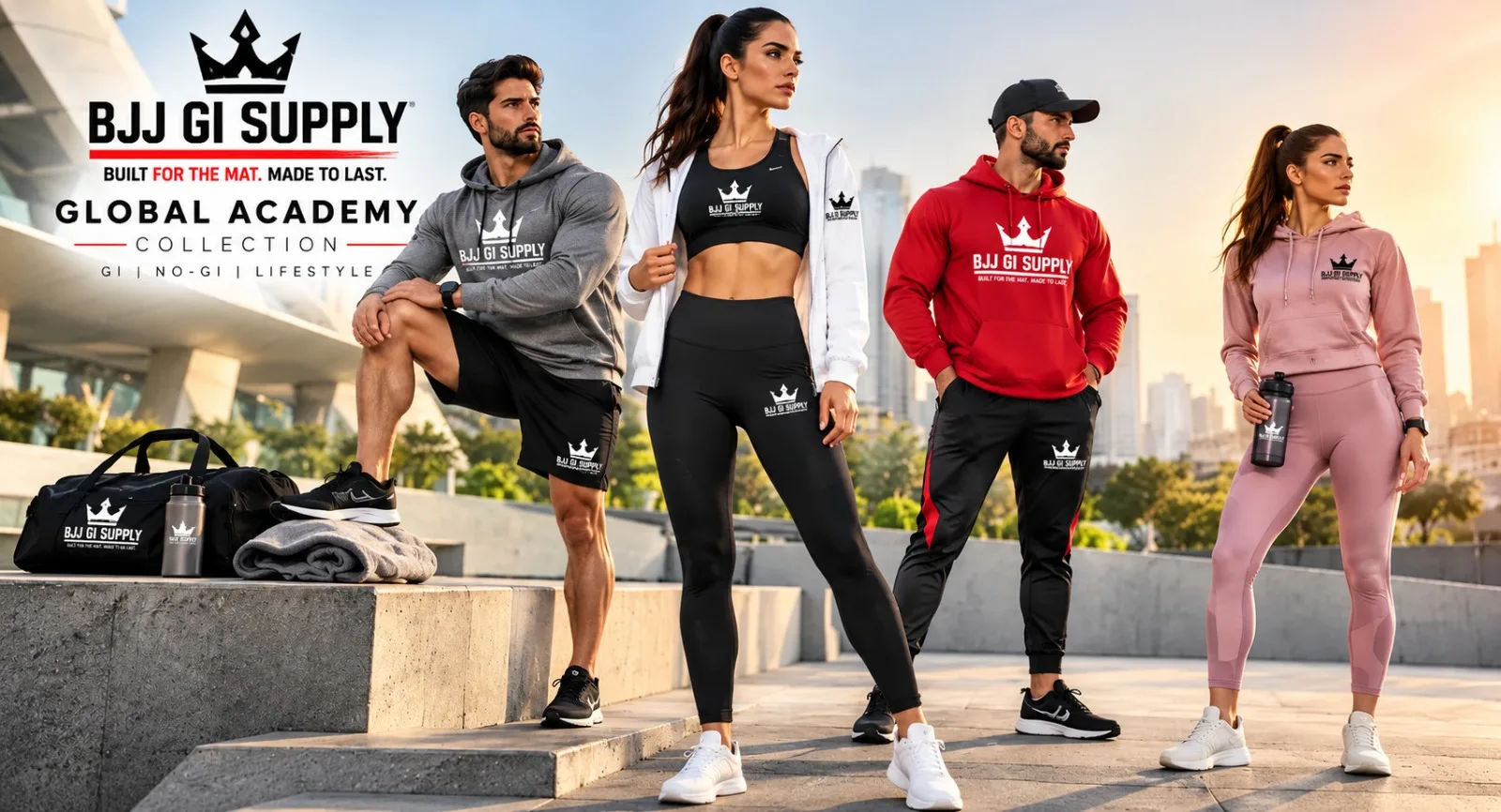
The answer depends on the fabric, the garment's construction, and the manufacturer's care instructions. Some athletic clothing can tolerate low-temperature tumble drying, while other items may shrink, lose their shape, or suffer damage from excessive heat. Understanding these differences can help you maintain your clothing and avoid unnecessary replacement costs.
Sports Wears often contain specialized materials such as polyester, nylon, elastane, and moisture-wicking blends. These fabrics are selected to improve comfort and performance, but they do not always respond well to high temperatures. Learning how to dry them correctly helps preserve their elasticity, fit, color, and ability to manage sweat.
This comprehensive guide explains when tumble drying is appropriate, which fabrics require extra care, how to dry different athletic garments, and what mistakes to avoid. With a few simple habits, you can keep your workout wardrobe fresh, functional, and ready for your next activity.
Can Sports Wears Be Tumble Dried?
Yes, some sports clothing can be tumble dried, but it is not suitable for every garment. The safest approach is to check the care label before placing any item in a dryer. Manufacturers test their fabrics and provide instructions that explain whether tumble drying is permitted and which temperature settings are appropriate.
Sports Wears Rash guards Manufacturer athletic garments are made from synthetic materials that dry relatively quickly without a dryer. Polyester and nylon, for example, generally release moisture faster than cotton. As a result, hanging these garments in a well-ventilated area may be enough to dry them within a few hours, depending on the room's temperature and humidity.
If the care label permits tumble drying, choose a low-heat or delicate setting. High temperatures can damage elastic fibers, affect fabric finishes, and shorten the useful life of athletic clothing.
When the label recommends air drying, follow that instruction rather than taking a chance with the dryer. If the label is missing or unclear, air drying is usually the more cautious option.
Why Tumble Drying Can Damage Athletic Clothing
Tumble dryers use heated air and movement to remove moisture from clothes. This process is convenient, but the combination of heat and friction can affect delicate or performance-oriented fabrics.
Heat Can Weaken Elastic Fibers
Many athletic garments contain elastane, also known as spandex or Lycra. This stretchy material allows leggings, compression shirts, sports bras, and fitted shorts to move comfortably with the body.
Excessive heat can weaken these fibers over time. When elasticity decreases, garments may feel loose, fail to provide their original support, or become uncomfortable during movement.
Low-temperature drying can reduce this risk, but air drying is often the better choice for highly stretchy clothing.
Fabric Can Lose Its Shape
Heat may affect the structure of certain fabric blends. A garment that originally fitted closely may become misshapen after repeated exposure to unsuitable drying conditions.
This problem is particularly important for compression clothing and fitted athletic tops. Their performance often depends on maintaining a specific shape and level of stretch.
Following the care label helps preserve the original fit.
Performance Finishes May Deteriorate
Some athletic fabrics receive special treatments to improve moisture management, odor control, or water resistance. Repeated exposure to excessive heat may affect these finishes, depending on the material and treatment.
The fabric may continue to look normal while performing less effectively. For example, a moisture-wicking shirt might not manage sweat as well as it did when new.
Proper drying helps protect these features and supports the long-term performance of the garment.
Friction Can Cause Pilling
Tumble dryers move clothes around inside a rotating drum. This movement can create friction between garments, zippers, fasteners, and the drum itself.
Some fabrics respond by developing small balls of fiber on the surface, commonly called pills. Pilling is usually a cosmetic issue, but it can make clothing look older and less attractive.
Turning garments inside out and drying them separately from rough items can reduce unnecessary friction.
Which Fabrics Can Be Tumble Dried?
The type of fabric is one of the most important factors when deciding how to dry athletic clothing. However, the fabric name alone does not guarantee that a garment is dryer-safe. Construction, fabric blends, coatings, and manufacturer instructions also matter.
Polyester
Polyester is widely used in workout shirts, sports shorts, jerseys, and training trousers. It absorbs relatively little water and usually dries faster than cotton.
Some polyester garments can tolerate low-temperature tumble drying. Others are designed specifically for air drying, particularly when they include mesh panels, printed designs, or specialized finishes.
Check the care label and avoid high heat whenever possible.
Nylon
Nylon is common in leggings, lightweight jackets, running shorts, and other athletic garments. It is durable and relatively quick drying, making it useful for active clothing.
However, nylon can be sensitive to excessive heat. High temperatures may affect its texture, shape, or durability.
If tumble drying is permitted, use a low-heat setting. Air drying is a practical alternative for delicate nylon items.
Elastane and Spandex
Elastane provides the stretch found in compression wear, sports bras, cycling shorts, and fitted leggings. These garments often contain a blend of elastane and other synthetic fibers.
Because stretch is central to their function, they benefit from gentle care. Avoid high-temperature drying, and air dry them whenever practical.
Keeping these garments away from excessive heat can help them maintain their fit and support.
Cotton
Cotton sports clothing, including some training shirts and sweatshirts, can often be tumble dried if the care label allows it. However, cotton may shrink when exposed to high heat, especially if the garment has not been treated to control shrinkage.
Use a low or moderate setting only when recommended. Removing cotton garments while they are slightly damp can also help reduce over-drying.
Cotton usually absorbs more moisture than synthetic athletic fabrics, so it may take longer to dry.
Blended Fabrics
Many athletic garments combine polyester, cotton, nylon, and elastane to balance comfort, durability, and stretch.
For blended fabrics, follow the care instructions for the finished garment rather than assuming that one fiber determines the correct method. A small amount of elastane, for example, may make careful temperature control especially important.
When uncertain, air drying is a sensible choice.
How to Tumble Dry Sports Clothing Safely
If your garment's care label permits tumble drying, a few simple steps can help reduce the chance of damage.
1. Read the Care Label
Before drying anything, look for the symbols and instructions on the garment. A tumble-drying symbol with a cross usually means the item should not be tumble dried. Dots inside the symbol commonly indicate the permitted heat level, although label conventions can vary by region.
Follow the written instructions whenever they are provided. If the garment says to dry flat or hang to dry, use that method instead.
2. Choose a Low-Heat Setting
Select a delicate, low-temperature, or suitable sportswear setting if your dryer offers one. Avoid high-heat programs unless the garment's instructions specifically permit them.
Lower temperatures may take longer to remove moisture, but they are generally gentler on heat-sensitive fibers and elastic components.
A longer drying cycle is not always necessary. Check the garments periodically and stop the cycle when they are dry.
3. Avoid Overloading the Dryer
An overloaded dryer limits airflow and can cause clothes to dry unevenly. Items may remain damp in some areas while other sections receive unnecessary heat.
Leave enough room for the garments to move freely. Drying smaller loads can improve airflow and help prevent excessive creasing and friction.
4. Turn Garments Inside Out
Turning workout clothing inside out can help protect printed graphics, logos, and outer fabric surfaces from direct friction.
This is particularly useful for team jerseys, branded shirts, and garments with decorative details. Fasten zippers and hook-and-loop closures where appropriate so they do not catch on other items.
5. Remove Clothing Promptly
Take the garments out when the cycle ends rather than leaving them in the dryer for an extended period.
Check waistbands, pockets, seams, and thicker areas for lingering moisture. If an item is still damp, allow it to finish drying in a ventilated space rather than repeatedly exposing it to heat.
Is Air Drying Better Than Tumble Drying?
For many athletic garments, air drying is the safest and most practical option. It does not expose clothing to the direct heat and repeated tumbling associated with machine drying.
However, the best method depends on the garment, your available space, and how quickly you need the clothing to be ready.
Benefits of Air Drying
Air drying can help preserve elastic fibers, maintain the shape of fitted clothing, and reduce surface friction. It also uses no electricity during the drying process, which can help lower household energy consumption.
Many synthetic workout fabrics dry relatively quickly when spread out in a well-ventilated area. You do not necessarily need direct sunlight or a special drying rack.
Air drying is particularly useful for leggings, sports bras, compression garments, and clothing with delicate prints or finishes.
Benefits of Tumble Drying
Tumble drying is convenient when you need clean clothing quickly, have limited space, or live in a humid environment where garments take a long time to dry naturally.
A dryer can also help remove moisture during cold or rainy weather. When the care label permits it, a short low-heat cycle may be a reasonable option.
Nevertheless, convenience should not come at the expense of garment care. If the manufacturer advises against tumble drying, choose another method.
How to Air Dry Correctly
After washing, gently shake each garment to release folds and help it return to its natural shape. Hang lightweight shirts on a suitable hanger or place garments on a drying rack.
For heavy or stretchy items, such as knitted athletic clothing, laying them flat may help prevent stretching under their own weight. Keep garments separated so air can circulate around them.
Choose a dry, ventilated area. Avoid leaving damp clothing bunched together in a laundry basket because trapped moisture can encourage unpleasant odors.
Can You Tumble Dry Different Types of Sports Clothing?
Not every athletic garment has the same drying requirements. These examples provide general guidance, but the individual care label should always take priority.
Sports Bras
Sports bras often contain elastane and supportive elastic bands. High heat can reduce elasticity and affect how well the garment fits.
Air drying is generally preferable. Shape the bra gently after washing, then place it flat or hang it according to its construction.
If tumble drying is allowed, use only the recommended low-temperature setting.
Leggings and Compression Wear
Leggings and compression garments rely on stretch and close-fitting construction. Excessive heat may weaken elastic fibers and reduce their ability to retain their original shape.
Air drying is often the best choice for these items. Avoid hanging very heavy, wet garments in a way that stretches the waistband or fabric.
Jerseys and Printed Shirts
Sports jerseys may include heat-sensitive graphics, numbers, names, or sponsor logos. The underlying fabric may tolerate some heat, while the decorative elements may not.
Check the label before drying. When in doubt, turn the jersey inside out and air dry it to protect the print.
Running Shorts and Training Tops
Running shorts and lightweight training tops are frequently made from quick-drying synthetic fabrics. Some can be tumble dried on a low setting, while others should be air dried.
Remove sweaty garments from gym bags promptly after use. Washing and drying them correctly helps prevent persistent odors and keeps them ready for the next workout.
Waterproof and Water-Resistant Sportswear
Waterproof jackets and water-resistant outerwear require special attention. Some manufacturers recommend specific drying methods to maintain or reactivate a water-repellent finish, while others prohibit ordinary tumble drying.
Never assume that all waterproof clothing should be air dried or that all of it can be placed in a dryer. Follow the product's instructions carefully, especially if the garment contains a membrane, coating, or taped seams.
Common Mistakes to Avoid
A few drying habits can shorten the life of athletic clothing even when the washing process is correct.
-
Using high heat: High temperatures can damage elastic fibers and some synthetic materials.
-
Ignoring the care label: Similar-looking garments may have different construction and drying requirements.
-
Leaving wet clothes in a pile: Poor airflow can encourage unpleasant odors and slow drying.
-
Mixing delicate garments with rough items: Towels, zippers, and heavy clothing can create extra friction.
-
Over-drying: Continuing a cycle after garments are dry exposes them to unnecessary heat and movement.
-
Using fabric softener without checking: Some softeners can leave residues that interfere with moisture management in certain performance fabrics. Follow the garment and detergent manufacturers' advice.
-
Storing clothing while damp: Moisture trapped in drawers, bags, or cupboards can lead to musty smells and may encourage mildew under suitable conditions.
Avoiding these mistakes can make routine laundry care easier and help your athletic wardrobe last longer.
How to Make Sports Clothing Dry Faster Without Damage
You can often shorten drying time without relying on high heat. The key is to remove as much water as practical during washing and improve airflow afterward.
First, use the washing machine's appropriate spin cycle if the care label allows it. A spin cycle removes excess water without requiring additional heat, although delicate garments may need a gentler setting.
Next, shake each item out and separate overlapping layers. Spread garments across a drying rack instead of stacking them together. A fan can improve air circulation, and a dehumidifier may help in a damp room.
Leave enough space between items for air to move freely. Thick waistbands, pockets, and layered sections may take longer to dry than lightweight fabric.
If you need a garment for a workout later in the day, wash it as early as possible. Quick-drying synthetic fabrics may become wearable relatively soon under favorable conditions, but drying time varies with humidity, airflow, garment thickness, and room temperature.
Never place athletic clothing directly on a heater or use an excessively hot setting simply to save a few minutes. Uneven or intense heat may damage the fabric.
How Often Should You Replace Sports Clothing?
Drying correctly can extend the useful life of athletic garments, but no item lasts forever. Replacement depends on the fabric, frequency of use, washing habits, and intensity of activity.
Watch for signs such as thinning fabric, persistent odors after washing, damaged seams, broken elastic, and a loss of support. Leggings that slide down during exercise or sports bras that no longer provide adequate support may need replacing.
Faded color alone does not necessarily mean a garment has stopped functioning. However, significant deterioration in the fabric or fit can affect comfort and performance.
Rather than replacing clothing according to a fixed schedule, inspect it regularly. Gentle washing, appropriate drying, and prompt treatment of stains can help you get more use from each item.
Conclusion
Sports clothing can sometimes be tumble dried, but the safest method depends on its fabric, construction, and care instructions. While certain polyester, nylon, and cotton garments may tolerate low-temperature drying, clothing containing elastane or delicate decorative details often benefits from air drying.
The most important rule is to read the care label before using a dryer. If tumble drying is permitted, select a low-heat setting, avoid overloading the machine, and remove garments as soon as they are dry. These simple habits help reduce unnecessary heat exposure and friction.
Air drying remains an excellent option for leggings, sports bras, compression garments, and other items that depend on elasticity and shape. Good airflow, careful garment placement, and sufficient drying time can keep these items fresh without exposing them to excessive heat.
Caring for Sports Wears properly is not only about keeping clothes clean. It is also about protecting their comfort, fit, appearance, and performance over time. By choosing the right drying method for each garment, you can reduce avoidable damage, limit replacement costs, and maintain a reliable workout wardrobe.
Ultimately, there is no single drying method that suits every athletic garment. Check the manufacturer's instructions, use gentle settings when permitted, and choose air drying whenever you are unsure. With a consistent routine, your workout clothing can remain comfortable, functional, and ready for regular use.