
Modern technology is changing the way commercial buildings are maintained. From automated inspection systems to advanced cleaning equipment, property maintenance companies are exploring new methods to improve efficiency, safety, and results. One interesting development is the use of drones for cleaning and inspecting building exteriors. But can drones actually clean tall buildings, or are they only useful for taking pictures and identifying maintenance problems? 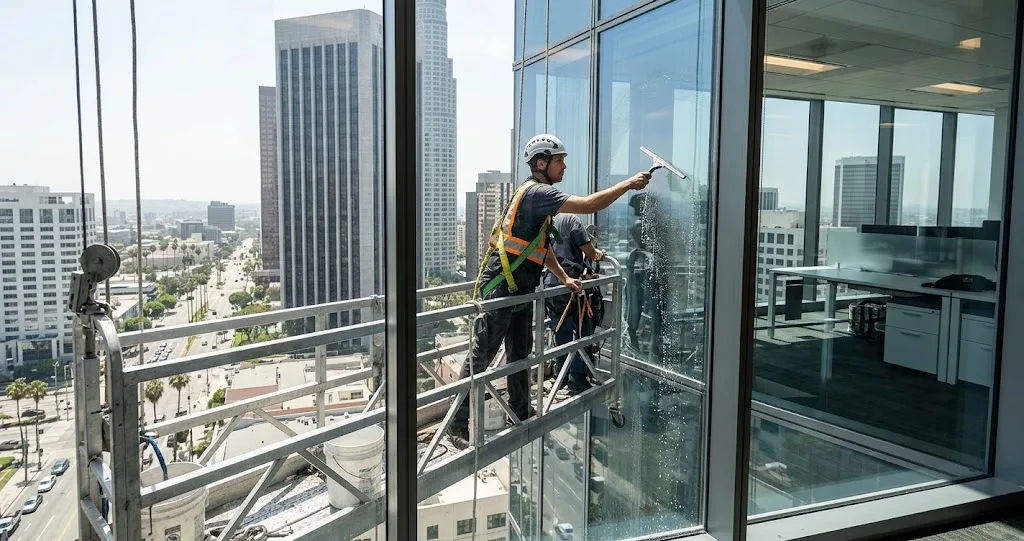 The answer is yes. Drones can support Exterior Building Cleaning by carrying specialized cleaning equipment, spraying cleaning solutions, rinsing surfaces, and helping professionals inspect difficult-to-reach areas. However, their effectiveness depends on the building's design, height, exterior material, local regulations, and the type of cleaning required.
For property owners and facility managers, understanding this technology can help them make better maintenance decisions. Drones may reduce the need for certain traditional access methods, improve inspection accuracy, and make some cleaning projects more efficient. However, they also have limitations that should be considered before choosing this approach.
This comprehensive guide explains how cleaning drones work, what benefits they offer, their limitations, and whether they are a suitable option for modern building maintenance.
Drone Technology in Building Cleaning
Drones are remotely operated or automated aircraft equipped with cameras, sensors, and specialized equipment. They are commonly used in photography, agriculture, construction, surveying, and industrial inspections.
In building maintenance, drones have developed beyond simple photography. Certain professional systems can carry hoses, spray nozzles, and cleaning equipment designed for exterior surfaces.
These systems allow trained operators to reach areas that would otherwise require specialized access equipment.
How Cleaning Drones Work
A professional cleaning drone usually operates through a ground-based control system. The operator controls its movement while monitoring the building surface and cleaning equipment.
Some systems receive water or cleaning solutions through a connected hose. This reduces the amount of liquid the aircraft needs to carry.
The drone approaches the exterior surface and applies water or an approved cleaning solution through specialized spraying equipment.
Depending on the system, it may also rinse away dirt, dust, and other surface contaminants.
However, not every drone has the same capabilities. Some are designed mainly for inspection, while others are specifically developed for exterior washing.
Difference Between Inspection and Cleaning Drones
Inspection drones are equipped with cameras and sensors that help identify exterior building problems.
They can capture images of:
-
Cracked exterior surfaces.
-
Dirty windows.
-
Damaged panels.
-
Blocked drainage areas.
-
Signs of water penetration.
-
Loose exterior materials.
Cleaning drones have additional equipment that allows them to apply water or cleaning solutions.
Some professional models combine inspection and cleaning functions, allowing operators to examine a surface before beginning maintenance work.
Understanding this difference is important because an inspection drone cannot automatically perform cleaning tasks.
How Drones Perform Exterior Building Cleaning
Drone-based Exterior Building Cleaning involves several stages. The process begins with an assessment of the building and ends with a final inspection.
Each stage requires trained personnel and suitable equipment.
1. Initial Building Inspection
Before cleaning begins, professionals examine the building's exterior.
They identify the surface material, visible dirt, difficult areas, and potential obstacles.
A drone camera can help capture images of upper floors, roof edges, and exterior sections that are difficult to inspect from the ground.
These images help the cleaning team determine whether drone technology is appropriate.
2. Selecting Suitable Cleaning Equipment
Different building surfaces require different cleaning methods.
Glass, metal panels, concrete, and stone do not always respond to the same cleaning solutions or water pressure.
The cleaning company must select equipment that matches the surface and manufacturer's maintenance recommendations.
3. Applying Cleaning Solutions
Some cleaning drones use connected hoses to deliver water and approved cleaning products.
The equipment sprays the solution onto the exterior surface to loosen dirt and environmental deposits.
The operator controls the application while monitoring the aircraft's position.
Cleaning products must be suitable for the building material. Incorrect chemicals can damage coatings, seals, paint, and other exterior components.
4. Rinsing the Exterior
After applying the appropriate cleaning solution, the surface may require rinsing.
Specialized drone systems can spray water across selected areas to remove loosened dirt.
The required pressure depends on the surface condition and cleaning specifications.
5. Final Inspection
Once the cleaning process is complete, the team can use cameras to examine the results.
They can identify areas that require additional attention and document the property's condition.
This helps property managers maintain records of exterior maintenance activities.
Major Benefits of Using Drones for Building Cleaning
Drone technology offers several potential advantages for commercial property maintenance.
Although the results depend on the equipment and project requirements, these benefits explain why more service providers are exploring the technology.
Improved Access to Difficult Areas
One of the biggest advantages of drones is their ability to reach elevated exterior surfaces.
Tall commercial buildings often have sections that are difficult to access using traditional cleaning equipment.
Drones can approach certain exterior areas without requiring workers to physically reach every section.
This can be particularly useful for inspecting high-level architectural features, roof edges, and selected building facades.
Reduced Dependence on Traditional Access Equipment
Traditional building maintenance may involve scaffolding, suspended platforms, rope-access systems, and other specialized equipment.
Setting up these systems can require considerable preparation.
In suitable situations, drones may reduce the need for some traditional access arrangements.
However, they do not eliminate the need for trained technicians or other safety systems.
Certain cleaning tasks still require workers to access the building directly.
Potential Time Savings
Preparing traditional access equipment can take considerable time, especially on large buildings.
A suitable drone system may allow operators to begin certain inspection and cleaning activities more quickly.
It can also help teams move between selected exterior sections without repeatedly relocating large access platforms.
The actual time savings depend on building size, weather, equipment performance, and the complexity of the cleaning requirements.
Better Inspection Opportunities
Drone cameras can capture detailed images of exterior surfaces.
This makes it easier to identify areas where dirt has accumulated or where maintenance may be necessary.
For example, a property manager can use drone footage to examine upper-level windows without arranging a separate visual inspection from an elevated platform.
These records can also help compare building conditions before and after cleaning.
Reduced Disruption in Certain Locations
Traditional cleaning activities sometimes require temporary access arrangements around entrances, sidewalks, and parking areas.
Drone operations may reduce some of these requirements.
This can be beneficial for commercial properties where businesses need to maintain normal operations.
However, drone flights still require controlled operating areas, suitable safety arrangements, and protection for people below.
What Types of Buildings Can Be Cleaned With Drones?
Drone technology is not limited to one type of property.
Different buildings may benefit from the technology depending on their exterior design and cleaning requirements.
Commercial Office Buildings
Office buildings often have large glass surfaces that collect dust, pollution, and watermarks.
Some professional cleaning drones can help wash suitable exterior sections.
Their inspection capabilities can also help facility managers identify areas requiring maintenance.
Hotels and Hospitality Properties
Hotels frequently have large exterior surfaces and architectural features that require regular attention.
Maintaining a clean appearance is important for guest satisfaction and property presentation.
Drones may assist with inspecting and cleaning suitable exterior sections while reducing some access-related disruption.
Industrial Buildings
Factories, warehouses, and industrial facilities often have extensive exterior surfaces.
These properties may include metal cladding, concrete walls, and elevated structures.
Drones can support inspections and, where appropriate equipment is available, selected cleaning activities.
The cleaning method must account for industrial contaminants and any environmental or chemical safety requirements.
Residential High-Rise Buildings
Apartment towers and residential complexes also require regular exterior maintenance.
Windows, balconies, exterior panels, and decorative features can collect environmental dirt.
Drone technology may provide another option for maintaining suitable surfaces.
However, property managers must consider residents, nearby buildings, privacy, and pedestrian safety before arranging drone operations.
Can Drones Clean Windows Effectively?
Window cleaning is one of the most interesting applications of drone technology.
Large glass buildings often require frequent cleaning because their surfaces are exposed to dust, pollution, rainwater deposits, and other environmental contaminants.
Professional cleaning drones may use specialized spraying systems to apply water and cleaning solutions to suitable glass surfaces.
Cleaning Large Glass Surfaces
Drones can reach certain elevated glass sections that are difficult to access using ground-based equipment.
Their cameras help operators monitor the cleaning process and identify missed areas.
Some systems use purified water to reduce mineral deposits and improve the appearance of glass after rinsing.
However, spraying water alone does not guarantee spotless windows.
Heavy deposits, adhesive residue, paint, and other stubborn contaminants may require additional cleaning techniques.
Limitations of Drone Window Cleaning
Drone-based systems may struggle with some detailed window-cleaning tasks.
For example, traditional tools may be more effective when removing stubborn marks or cleaning complicated window frames.
The effectiveness of a drone also depends on wind conditions, spray control, water pressure, and the design of the cleaning equipment.
Therefore, property owners should evaluate the actual cleaning results rather than assuming that every drone system can replace conventional window cleaners.
Important Safety Considerations
Safety is one of the most important factors when using drones around large buildings.
Professional drone operations require careful planning, trained operators, suitable equipment, and compliance with applicable aviation regulations.
Weather Conditions
Strong winds, rain, and poor visibility can affect drone stability.
Waterproof equipment may tolerate certain conditions, but this does not mean that every drone can operate safely in bad weather.
Cleaning companies should assess environmental conditions before beginning work.
Protecting People and Property
A drone operating near a commercial building must not create unnecessary risks for pedestrians, residents, employees, or vehicles.
The work area should be controlled according to the operating plan.
Operators must also consider nearby windows, electrical installations, signage, and other building features.
Operator Training
Professional cleaning drones require more than basic flying experience.
Operators need to understand flight controls, equipment limitations, cleaning systems, emergency procedures, and building-specific risks.
Companies should ensure that personnel receive appropriate training before carrying out commercial cleaning projects.
Legal and Regulatory Requirements
Drone operations are subject to aviation regulations.
Requirements may cover operator registration, aircraft permissions, flight restrictions, operational limits, and flying near people or buildings.
These rules differ between countries and locations.
Property owners should work with service providers who understand the relevant regulations and obtain any necessary approvals.
Limitations of Drone-Based Building Cleaning
Although drones offer useful capabilities, they are not a perfect solution for every property.
Understanding their limitations helps businesses choose the right cleaning method.
Dependence on Specialized Equipment
Not every cleaning company owns professional cleaning drones.
Specialized equipment can require considerable investment, maintenance, and operator training.
As a result, drone-based services may not be available in every location.
Weather Restrictions
Drones are sensitive to certain environmental conditions.
Strong winds can make positioning difficult, while rain may create additional operating risks.
This means that cleaning schedules may need to change depending on the weather.
Limited Ability to Handle Stubborn Dirt
Some exterior contaminants require physical scrubbing or specialized treatment.
A drone that sprays water may not remove these deposits effectively.
Traditional cleaning methods may still be necessary for surfaces with heavy staining or complicated detailing.
Building Design Challenges
Some buildings have recessed windows, narrow ledges, complex architectural features, or deep exterior structures.
These designs can make it difficult for drones to approach certain areas.
Professional assessment is necessary to determine whether the equipment can reach the required surfaces.
Initial Service Costs
Drone technology involves specialized aircraft, cleaning equipment, maintenance, insurance, and trained operators.
These expenses can influence service pricing.
Although some projects may benefit from reduced setup time, drone cleaning is not automatically cheaper than traditional methods.
Drone Cleaning Compared With Traditional Cleaning Methods
Both drone-based and traditional cleaning methods have important advantages.
The right choice depends on the property and the type of maintenance required.
|
Factor |
Drone Cleaning |
Traditional Cleaning |
|---|---|---|
|
Access |
Can reach selected elevated areas |
Uses platforms, scaffolding, or rope access |
|
Setup |
May require less physical access preparation |
Can require extensive setup |
|
Inspection |
Offers camera-based monitoring |
Often involves direct visual inspection |
|
Surface detailing |
Depends on spraying equipment |
Allows direct manual cleaning |
|
Weather |
Sensitive to flight conditions |
Also affected by weather |
|
Equipment |
Requires specialized drones |
Requires conventional access and cleaning tools |
|
Suitability |
Best for selected surfaces and projects |
Suitable for many detailed cleaning tasks |
When Drone Cleaning Is More Suitable
Drones may be useful when buildings have large, accessible exterior surfaces that require routine washing.
They can also help with preliminary inspections and maintenance documentation.
Properties with suitable layouts and manageable environmental conditions may benefit most.
When Traditional Cleaning Is Better
Traditional methods may be preferable when the exterior has stubborn stains, complicated architectural details, or surfaces that require physical scrubbing.
They may also be necessary when the building's design prevents safe drone access.
In many cases, combining both methods provides the most practical solution.
Environmental Benefits of Drone Cleaning
Environmental performance is another important consideration for modern property maintenance.
Buildings require regular cleaning, but the process should minimize unnecessary water use and chemical exposure.
Controlled Water Application
Some drone systems use specialized nozzles that help direct water toward selected exterior surfaces.
This may reduce unnecessary spraying when the system is properly operated.
However, actual water consumption depends on equipment design, cleaning pressure, surface condition, and operator technique.
Suitable Cleaning Products
Cleaning companies should choose products that are compatible with exterior materials and appropriate for the surrounding environment.
Using excessive chemicals can create problems for landscaping, drainage systems, and nearby public areas.
Professional cleaning procedures should include suitable wastewater and runoff management.
Reduced Equipment Movement
Drones may reduce the need to move certain large access platforms between selected cleaning locations.
This can potentially reduce some equipment-related transportation and setup requirements.
However, the complete environmental impact must consider the drone's electricity use, support vehicles, equipment manufacturing, and cleaning materials.
How Much Does Drone-Based Building Cleaning Cost?
The cost of drone cleaning varies depending on the property and service requirements.
There is no universal price because each building presents different challenges.
Several factors influence the overall cost.
Building Height and Size
Larger buildings generally require more cleaning time and equipment resources.
Height can also affect operational planning and regulatory requirements.
Exterior Material
Glass, concrete, metal, and stone may require different cleaning products and techniques.
The condition of the surface also influences the amount of work involved.
Cleaning Frequency
A building that receives regular maintenance may require less intensive cleaning than one that has not been maintained for several years.
Routine maintenance can help property managers plan costs more effectively.
Equipment and Labor
Professional drone cleaning requires suitable aircraft, cleaning systems, trained operators, and ground support.
The availability of specialized service providers can also influence pricing.
Property owners should request a detailed quotation that explains the cleaning method, included services, safety arrangements, and any additional charges.
How to Choose a Professional Drone Cleaning Company
Selecting an experienced service provider is essential for achieving good results.
Not every company offering drone photography or inspection has the equipment required for professional cleaning.
Before hiring a provider, consider the following factors.
Check Experience and Training
Ask whether the company has experience working with commercial cleaning drones.
Its operators should understand aviation safety, exterior cleaning procedures, and the limitations of their equipment.
Review Equipment Capabilities
Ask what type of drone the company uses and whether it is specifically designed for cleaning.
Find out whether the system supports controlled water application, suitable cleaning solutions, and the required operating height.
Confirm Insurance and Safety Procedures
A professional provider should explain its insurance arrangements and operational safety procedures.
It should also demonstrate how it protects pedestrians, vehicles, nearby properties, and building occupants.
Request Previous Project Examples
Previous projects can help demonstrate the company's experience.
Before-and-after photographs and inspection records can provide useful information about the quality of its services.
Compare Service Proposals
Do not choose a company based only on its advertised price.
Compare cleaning methods, equipment, insurance, operator qualifications, project timelines, and service guarantees.
A detailed proposal makes it easier to understand what the company will actually deliver.
The Future of Drone Technology in Building Maintenance
Drone technology continues to develop, creating new opportunities for property maintenance companies.
Improvements in cameras, flight stability, sensors, and cleaning equipment may make future systems more capable.
Automated Inspection Systems
Modern drones can collect images and other information that help maintenance teams monitor exterior conditions.
With suitable software, these records can support comparisons between inspections and help identify areas that need attention.
Improved Cleaning Equipment
Future cleaning systems may offer better spray control, more efficient water delivery, and improved compatibility with different exterior materials.
These developments could expand the range of buildings suitable for drone-assisted maintenance.
Integration With Building Management
Property managers may eventually use drone inspection records as part of broader maintenance systems.
This could help organize cleaning schedules, monitor exterior conditions, and maintain detailed service histories.
However, automation will not remove the need for professional oversight, safety planning, and quality checks.
Conclusion
Drone technology is creating new opportunities for modern building maintenance. It offers an alternative approach to inspecting and cleaning selected exterior surfaces, particularly on large commercial properties and buildings with difficult-to-reach areas.
Exterior Building Cleaning can benefit from drones through improved access, camera-based inspections, controlled water application, and potentially reduced dependence on certain traditional access arrangements. These advantages can help property managers explore more flexible maintenance options.
However, drones are not suitable for every cleaning project. Weather restrictions, building design, stubborn stains, specialized equipment costs, and aviation regulations must all be considered. Traditional cleaning methods remain important for detailed work and surfaces that require direct physical attention.
The most effective approach is to evaluate each building individually. Property owners should work with trained professionals who can assess the exterior, select suitable equipment, and establish appropriate safety procedures.
As drone technology improves, its role in commercial property maintenance may continue to expand. For now, combining professional drone systems with traditional cleaning techniques can provide a practical way to maintain building appearance, support inspections, and protect exterior surfaces over time.