
Necklaces have been an important part of personal style for centuries. They can represent beauty, culture, tradition, and individual expression. Today, people have many options when choosing jewelry, from simple everyday accessories to detailed statement pieces. Understanding the materials used to create handcrafted necklaces helps buyers choose designs that match their preferences, budgets, and lifestyles. 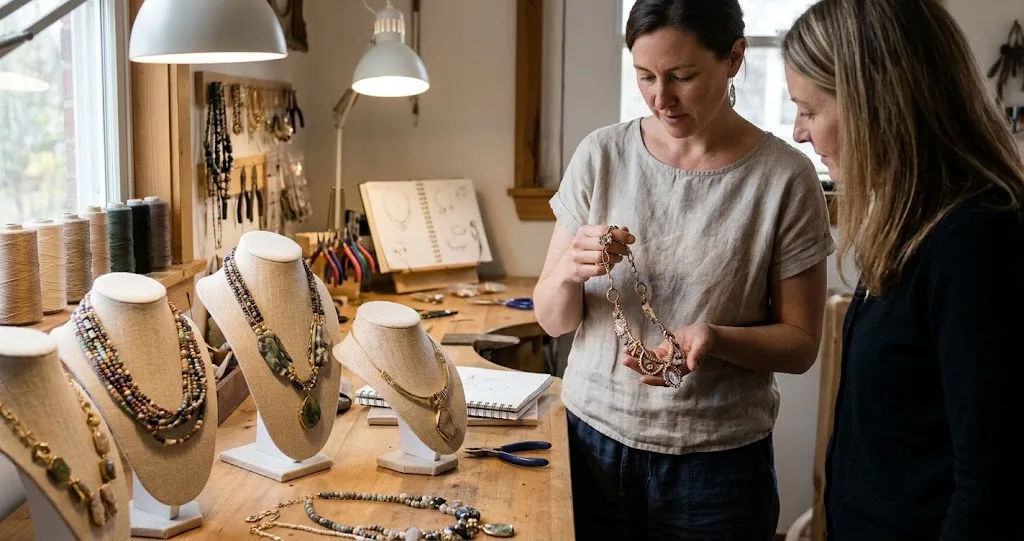 The materials used in a necklace influence its appearance, weight, durability, comfort, and overall value. Some necklaces feature natural gemstones and precious metals, while others use wooden beads, colorful glass, fabric, shells, or recycled materials. Each material offers different qualities, allowing artisans to create unique pieces with their own character.
Whether you prefer a traditional design, a modern accessory, or a nature-inspired piece, learning about these materials can make shopping easier. This comprehensive guide explores the most common materials, their benefits, their limitations, and the best ways to care for jewelry made from them.
1. Precious Metals Used in Necklace Making
Precious metals are popular choices for handcrafted necklaces chains, pendants, decorative details, and connecting components. They offer different colors, levels of durability, and price ranges.
Gold
Gold is widely valued for its warm color, attractive appearance, and long history in jewelry making. Artisans use gold to create delicate chains, detailed pendants, and elegant necklaces suitable for everyday wear or special occasions.
Pure gold is relatively soft, so it is often mixed with other metals to improve strength. These mixtures are called gold alloys. Common options include 14-karat and 18-karat gold.
Fourteen-karat gold generally offers a practical balance between durability, appearance, and cost. Eighteen-karat gold contains a higher proportion of pure gold and is often chosen for its rich color.
Gold necklaces can be expensive, especially when they contain substantial amounts of solid gold. Buyers should check the karat marking and ask whether the piece is solid gold, gold-filled, or gold-plated.
Sterling Silver
Sterling silver is another popular material because of its bright finish, versatility, and relatively accessible price compared with gold.
It typically contains 92.5% silver and 7.5% other metals, usually copper, which improves its strength. This composition is commonly marked as 925 silver.
Artisans use sterling silver for chains, clasps, charms, pendants, and intricate decorative patterns. It complements colorful gemstones, pearls, and many types of beads.
One limitation is that sterling silver can tarnish when exposed to air, moisture, and certain chemicals. Regular cleaning and proper storage help maintain its appearance.
Copper and Brass
Copper and brass are useful alternatives for people who enjoy warm, earthy colors. Copper has a reddish-brown appearance, while brass usually has a golden-yellow tone.
These metals are often used in artistic pendants, wire-wrapped stones, geometric designs, and vintage-inspired jewelry. They can be shaped into detailed patterns without the expense of precious metals.
However, copper may develop a natural patina over time, and some people experience greenish discoloration on their skin. Brass may also tarnish, depending on its composition and finish.
Anyone with sensitive skin should check the metal content, especially because some brass alloys may contain nickel or other metals that trigger reactions.
2. Natural Gemstones and Crystals
Natural gemstones are popular because they offer distinctive colors, patterns, and textures. No two natural stones are exactly alike, which makes them appealing for jewelry with an individual appearance.
Semi-Precious Gemstones
Amethyst, turquoise, garnet, jade, agate, and rose quartz are frequently used in handmade jewelry. Artisans may cut them into polished beads, smooth cabochons, or decorative pendants.
Each stone has different visual qualities. Amethyst is known for its purple shades, turquoise often displays blue-green tones, and rose quartz has a soft pink appearance.
Gemstones can be arranged in symmetrical patterns or combined in mixed-color designs. They also pair well with silver, gold, leather, and wooden beads.
However, gemstones vary in hardness and resistance to damage. Some can crack, chip, or fade if exposed to unsuitable conditions. Buyers should ask whether stones are natural, dyed, heat-treated, or otherwise enhanced.
Crystals
Glass crystals and natural crystal minerals are also common in necklace designs. Clear crystals create a sparkling effect, while colored varieties introduce brightness and contrast.
Artisans often use crystals in formal jewelry, layered necklaces, and decorative pendants. Their reflective surfaces can make a relatively simple design appear more elaborate.
It is important to distinguish natural mineral crystals from manufactured glass crystals. Both can be attractive, but they differ in composition, manufacturing methods, and value.
When purchasing a crystal necklace, consider how securely the stones are attached and whether the setting protects delicate edges.
3. Pearls: Natural and Cultured Options
Pearls are admired for their smooth surfaces, gentle shine, and timeless appearance. They work well in classic necklaces, contemporary jewelry, and designs that combine traditional and modern materials.
Natural Pearls
Natural pearls develop inside certain mollusks without deliberate human intervention. They are relatively rare, and their value depends on factors such as size, shape, luster, surface quality, and provenance.
Because of their rarity, natural pearls can be expensive. They are less common in ordinary commercial jewelry than cultured pearls.
Cultured Pearls
Cultured pearls form through a process in which people introduce a nucleus or tissue into a mollusk to encourage pearl formation. The mollusk then produces layers of nacre around the developing pearl.
Freshwater and saltwater cultured pearls are widely used in necklace making. They come in different sizes, colors, shapes, and price ranges.
Round pearls create a traditional appearance, while irregular baroque pearls offer a more artistic style.
Pearls are relatively delicate compared with many gemstones. Perfume, cosmetics, harsh cleaners, and prolonged exposure to moisture can damage their surface. Gentle cleaning with a soft cloth is usually the safest approach.
4. Wood and Wooden Beads
Wood is an excellent material for jewelry inspired by nature, traditional crafts, and relaxed everyday fashion. It is lightweight, comfortable, and available in many natural shades.
Artisans use woods such as sandalwood, maple, walnut, and other suitable varieties to make beads, pendants, and decorative elements.
Some wooden beads retain their natural grain, while others are stained, carved, painted, or polished. These treatments create different finishes and allow makers to produce simple or highly detailed designs.
Wooden necklaces are especially useful for people who prefer lightweight accessories. They can also be combined with leather cords, cotton threads, metal accents, or natural stones.
However, wood can absorb moisture and may warp, crack, or lose its finish if poorly maintained. Direct sunlight and excessive humidity can also affect its appearance.
To care for wooden jewelry, keep it dry, store it away from extreme temperatures, and avoid soaking it in water. If a necklace has a special oil or protective coating, follow the maker's care instructions.
5. Glass and Recycled Glass
Glass is valued for its variety of colors, transparency, shine, and decorative possibilities. It can be shaped into smooth beads, textured pendants, or detailed decorative elements.
Lampwork glass is created by heating glass rods with a torch and shaping the softened material by hand. This technique allows artisans to make intricate patterns, colorful swirls, and distinctive bead designs.
Other glass materials include pressed glass, stained glass elements, and recycled glass beads. Recycled glass can give jewelry an appealing handmade character while making use of existing material.
Glass necklaces are available in many styles, from delicate and elegant to bright and playful. Their appearance can resemble gemstones, although their composition and value are different.
The main limitation of glass is its potential to chip or break when dropped or struck against a hard surface. Necklaces containing large glass pendants should be stored separately from heavier accessories.
When choosing glass jewelry, examine the beads for cracks and ensure that the stringing material and clasps are strong enough to support the design.
6. Fabric, Cotton, Silk, and Thread
Soft materials offer comfort and flexibility that rigid metal chains cannot always provide. Fabric-based necklaces are especially popular in bohemian, textile-inspired, and culturally traditional designs.
Cotton and Linen
Cotton and linen threads are commonly used to string beads, create woven necklaces, and support decorative pendants. They are available in different thicknesses and colors.
These fibers can produce relaxed, lightweight jewelry. They also work well with wood, shells, ceramic beads, and other natural materials.
However, untreated fibers may absorb moisture, collect dirt, or fray over time. Strong knots and suitable thread thickness help improve durability.
Silk
Silk is smooth, flexible, and often associated with high-quality jewelry making. It is frequently used to string pearls and delicate beads.
Silk thread can help create a graceful drape, allowing a necklace to sit naturally around the neck. Traditional pearl necklaces may use knots between individual pearls to reduce friction and help prevent them from scattering if the strand breaks.
Silk requires gentle handling because it can weaken through abrasion, moisture, or prolonged exposure to sunlight.
Embroidery Thread and Macramé Cord
Embroidery thread and macramé cord allow artisans to create woven, knotted, and colorful designs. These techniques can produce necklaces without requiring expensive metal components.
The final result depends on the thread's strength, the knotting method, and the quality of the finishing details.
7. Leather and Suede
Leather is often used for necklaces with a rustic, casual, or contemporary appearance. It works well with metal pendants, wooden beads, stones, and decorative charms.
Genuine leather cords are flexible and can develop a distinctive appearance with age. Suede has a softer, textured surface that creates a relaxed style.
Synthetic leather is another option for people seeking alternatives to animal-derived materials. Its quality and durability vary according to its composition and construction.
Leather necklaces are generally comfortable, but they require protection from excessive water, sweat, and harsh chemicals. Moisture can cause discoloration, stiffness, or deterioration.
Buyers should also consider allergies and personal preferences when choosing leather products. If the necklace contains metal fittings, the fittings may be a more likely source of skin irritation than the cord itself.
8. Shells, Seeds, and Other Natural Materials
Nature provides many materials that artisans can transform into distinctive jewelry. Shells, seeds, coconut pieces, and other plant-based elements are often used in coastal, tropical, and traditional designs.
Seashells
Seashells offer natural patterns, curved shapes, and pale or colorful surfaces. Artisans may drill small holes in them or attach them to metal settings.
Shell necklaces are popular for summer clothing and beach-inspired styles. They can also carry cultural significance in communities with long traditions of shell craftsmanship.
Shells can be fragile, so they should be protected from hard impacts. Their source matters, too: buyers should look for responsibly collected materials and avoid products made from protected marine species.
Seeds and Nuts
Seeds and nut shells can be dried, polished, carved, or dyed before being used in necklaces. Their shapes and textures provide a natural alternative to manufactured beads.
Some traditional designs use carefully selected seeds to create repeating patterns. Others combine seeds with metal, wood, or glass for additional contrast.
Because these materials are organic, they may be affected by humidity, pests, or improper storage. They should be kept clean and dry.
Coconut Shell and Other Plant Materials
Coconut shell, bamboo, and similar plant-based materials can be shaped into beads and pendants. Their natural colors and textures make them suitable for earthy, minimalist designs.
These materials are often lightweight, although their strength depends on their thickness, treatment, and construction.
9. Ceramic and Polymer Clay
Ceramic and polymer clay allow artisans to create shapes and designs that may be difficult to achieve with traditional beads.
Ceramic
Ceramic beads are made from clay that is shaped, dried, and fired. They may be glazed to create glossy surfaces or left with a more natural, matte finish.
Artisans can paint ceramic pieces with detailed patterns, making them suitable for artistic, cultural, and contemporary jewelry.
Ceramic is generally durable under normal use but can break if dropped or struck against a hard surface.
Polymer Clay
Polymer clay is a manufactured modeling material that hardens when heated according to the manufacturer's instructions. It comes in a wide range of colors and can be blended to create marbled patterns, miniature designs, and decorative shapes.
Because it is relatively lightweight, polymer clay works well for large statement beads and playful pendants.
The quality of polymer clay jewelry depends on proper curing, careful construction, and secure attachment points. Poorly cured pieces or thin, weak components may break more easily.
These materials are useful for people seeking distinctive designs at accessible prices.
10. Recycled and Upcycled Materials
Sustainability has become an important consideration for many jewelry buyers. Recycled and upcycled materials allow artisans to create accessories while making productive use of existing resources.
Common examples include repurposed glass, reclaimed wood, reused fabric, vintage buttons, discarded metal components, and beads taken from older jewelry.
Upcycling means transforming an existing item or material into something useful or attractive. For example, an artisan might turn an old necklace into a new pendant design or incorporate vintage buttons into a textile necklace.
These materials can provide unusual colors, textures, and historical character. They may also reduce the need for newly extracted or manufactured resources.
However, recycled does not automatically mean environmentally harmless. Transportation, processing, coatings, and the original material's source can affect the overall environmental impact.
Buyers interested in sustainable jewelry should ask what has been reused and how the materials were processed.
11. Chains, Cords, Clasps, and Other Components
The decorative materials are only part of a necklace. Supporting components also affect its strength, comfort, and lifespan.
Chains and Cords
Metal chains are commonly made from sterling silver, gold, stainless steel, brass, or plated base metals. The choice influences the necklace's appearance, cost, and resistance to corrosion.
Cord-based necklaces may use cotton, silk, leather, nylon, or polyester. Each material has different levels of flexibility, abrasion resistance, and moisture tolerance.
A heavy pendant needs a stronger chain or cord than a small, lightweight charm. Matching the support material to the pendant's weight helps prevent breakage.
Clasps and Connectors
Common fastening components include lobster clasps, spring-ring clasps, toggle clasps, magnetic clasps, and hook closures.
These components may be made from precious metals, stainless steel, brass, or plated alloys. Their quality matters because a weak clasp can cause a necklace to fall off even when the rest of the design is durable.
Jump rings, crimps, pins, and wire also help hold the design together. Secure connections and well-finished edges improve both comfort and reliability.
12. How to Choose the Right Materials
Choosing suitable materials involves more than appearance. Consider how the necklace will be worn, how much maintenance it requires, and how well it suits the wearer.
Consider Your Budget
Gold, high-quality gemstones, and natural pearls can increase the price of a necklace. Glass, wood, polymer clay, and many fabric materials often provide more affordable options.
A higher price does not automatically guarantee better craftsmanship. Examine the quality of the finishing, the security of the fastenings, and the suitability of the materials.
Think About Comfort
Lightweight materials are often better for long periods of wear. Wooden beads, fabric cords, and polymer clay can be comfortable alternatives to heavy metal or stone designs.
People with sensitive skin should pay attention to metal composition, plating, and possible nickel content.
Match Materials to Your Lifestyle
For everyday use, consider durable materials that tolerate regular handling. Sterling silver, suitable stainless steel, and well-constructed cords can be practical choices, depending on the design.
For occasional wear, delicate pearls, intricate glass pieces, and fragile natural materials may be appropriate if stored and handled carefully.
Check Craftsmanship
Inspect the necklace for loose beads, uneven knots, rough edges, weak clasps, and poorly attached pendants. Good craftsmanship helps materials perform as intended.
When possible, ask the artisan about the materials' origin, any treatments applied, and recommended cleaning methods.
13. Caring for Necklaces Made from Different Materials
Proper care helps preserve both the beauty and structural quality of a necklace.
-
Metals: Clean according to the metal type, and use suitable polishing cloths. Avoid abrasive products on plated finishes.
-
Gemstones: Follow stone-specific cleaning instructions, as some stones cannot tolerate ultrasonic cleaners, heat, or harsh chemicals.
-
Pearls: Wipe gently with a soft cloth after wearing. Keep them away from perfume and household cleaners.
-
Wood and plant materials: Avoid soaking, excessive humidity, and prolonged direct sunlight.
-
Glass and ceramic: Protect them from impacts and store them separately to prevent scratches or chips.
-
Fabric and leather: Keep them dry, avoid harsh detergents, and inspect cords for fraying or weakening.
-
Recycled materials: Follow care instructions based on the actual materials rather than assuming all reused pieces need the same treatment.
Store necklaces individually when possible. Hanging them neatly or placing them in separate soft pouches can help prevent tangling, scratches, and damage to delicate pendants.
Conclusion
The materials used in necklace making determine much more than a piece of jewelry's appearance. They influence durability, comfort, maintenance, price, and the overall character of the finished design. Precious metals provide elegance and versatility, gemstones introduce color and natural variation, and pearls offer a classic appearance. Wood, glass, fabric, leather, shells, ceramics, and recycled materials create additional possibilities for artistic expression.
When choosing handcrafted necklaces, it is helpful to consider the intended use, the quality of the components, and the amount of care required. A necklace made from lightweight wood or fabric may suit everyday wear, while a design featuring sterling silver, gemstones, or pearls may be ideal for a formal occasion. Recycled materials can also provide distinctive designs for buyers who value resourcefulness and sustainability.
The best choice depends on personal style, comfort, budget, and practical needs. Understanding the strengths and limitations of different materials makes it easier to select jewelry that looks attractive and lasts with appropriate care.
Ultimately, well-chosen materials and thoughtful craftsmanship work together to create necklaces that are meaningful, functional, and beautiful. By checking material quality, asking questions about construction, and following suitable care practices, buyers can enjoy their jewelry for many years.